0878 567 491
 BG
BG 


 Proteins
 Amino acids
 Healthy supplements
 Vitamins and minerals
 Creatine
 Weight loss
 Nitrogen boosters
 Testosterone and growth hormone
 Bars and food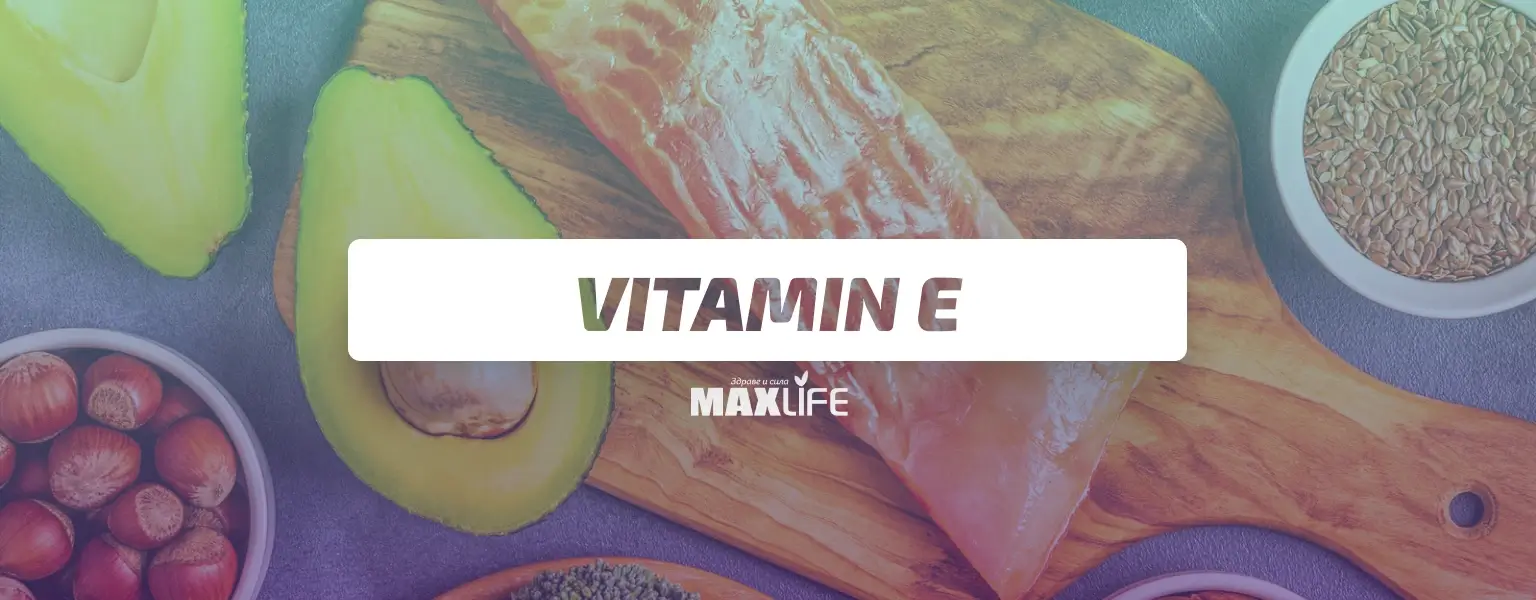
Vitamin E is a powerful fat-soluble antioxidant that plays a key role in protecting cells from oxidative stress and maintaining overall health. The human body does not have the ability to synthesize this compound on its own, which requires its regular intake through external sources - such as nuts, seeds and vegetable oils, or through quality nutritional supplements. This vitamin supports the functions of various organs and systems in the body, being especially valuable for the immune system, heart and skin condition. What are its benefits for the body?
- Powerful antioxidant protection – neutralizes free radicals that damage cells and accelerate aging processes.
- Immune system support – strengthens the body's defenses, helping it to fight viruses and bacteria more effectively.
- Improving skin health – deeply hydrates, accelerates tissue regeneration and protects against the harmful effects of UV rays.
- Prevents cholesterol oxidation and maintains the elasticity of blood vessels.
- Reduces the risk of developing age-related degenerative eye diseases.
- Reduces chronic inflammatory processes in the body and supports muscle recovery after physical exertion.
What specifically is vitamin E used for?
Vitamin E applications span a wide range of industries. This popularity is due entirely to its prominent restorative and protective properties, as well as its high stability when combined with other active ingredients.
Use in modern cosmetics
In the cosmetics industry, vitamin E is a fundamental ingredient in products for mature, dry or damaged skin. It is found extremely frequently in regenerating serums, deeply hydrating face creams, eye contours and lip balms.
Thanks to its ability to strengthen the natural skin barrier, this compound is an indispensable helper for retaining moisture and smoothing fine lines. Vitamin E is also widely used in sunscreen lotions, as it neutralizes the harmful effects of UV rays, and in hair products (masks and oils) to stimulate growth and add shine.
Role in medicinal products
In pharmacy, vitamin E is used as an active ingredient in medications intended for the treatment of specific health conditions. Medications containing this antioxidant are often prescribed for proven deficiency, fat absorption disorders, or in the complex treatment of liver diseases (such as non-alcoholic fatty liver disease).
Due to its ability to improve peripheral blood circulation and protect erythrocytes from premature breakdown, vitamin E is also involved in therapeutic regimens for cardiovascular disorders.
As a dietary supplement
In the form of dietary supplements, this vitamin is recommended for increased physical or mental exertion, as it accelerates cell recovery and reduces muscle inflammation.
Intake is also recommended for people exposed to chronic stress, polluted air or tobacco smoke, as these factors enhance oxidative processes in the body. Vitamin E supplements They are also often prescribed to support reproductive health, to boost the immune system during flu season, and to prevent age-related vision changes.
Vitamin E deficiency – symptoms
Vitamin E deficiency is a rare condition, usually linked to fat malabsorption or genetics. However, chronic deficiency of this antioxidant can cause serious health problems affecting the nervous system, muscles, and vision.
- Muscle weakness – without its protective function, muscle fibers are vulnerable to damage from oxidative stress.
- Coordination problems (ataxia) – vitamin E deficiency leads to degeneration of specific neurons in the spinal cord, which impairs control over movements.
- Numbness and tingling (peripheral neuropathy) – damage to nerve fibers blocks the proper transmission of signals from the extremities to the brain.
- Vision impairment – Vitamin E deficiency allows free radicals to attack light receptors in the retina, causing visual acuity to decline over time.
- Weakened immunity – the lack of it slows down the division and function of immune cells, increasing the body's susceptibility to infections.
- Dry and prematurely aging skin – a disrupted lipid barrier accelerates dehydration and the formation of wrinkles.
How to take vitamin E – useful tips
Proper intake of vitamin E is essential for full absorption and avoidance of adverse reactions. Following a few basic rules ensures that the body will derive maximum benefit from the properties of this valuable antioxidant.
Mandatory with food
Since vitamin E is fat-soluble, absorption requires the presence of fat. For this reason, taking it on an empty stomach is ineffective. It is best vitamin E food supplement to be taken during a meal that contains healthy fats such as avocado, nuts, olive oil or eggs.
Morning or evening
The time of day is not critical, but it is important to take it at the same time each day to maintain stable blood levels. Morning hours are preferable, as the first meals of the day usually include fat, which is necessary for full absorption. Taking it in the late hours immediately before sleep can strain the digestive system, as metabolism slows down and the processing of fatty components leads to heaviness in the stomach and poor sleep quality.
Compliance with recommended quantities
The optimal daily dose of vitamin E for adults is 15 mg, which fully meets the body's daily needs. The established maximum dose of vitamin E is 1000 mg per day, and this limit serves as a guideline for the upper limit of safety.
Such high doses may be necessary in cases of severe malabsorption syndrome, specific genetic deficiencies, or serious neurological complications. However, prescribing such therapeutic levels requires mandatory consultation and assessment by a medical professional.
Vitamin E – overdose
Overdose of this fat-soluble nutrient, also known as hypervitaminosis E, occurs when you take in amounts that exceed the safe limit for a long time. Unlike water-soluble vitamins, excess vitamin E is not easily excreted in the urine, but accumulates in the liver and fatty tissues, which over time disrupts the body's natural balance.
Symptoms of overeating include extreme fatigue, muscle weakness, nausea, headache, and gastrointestinal discomfort. The most serious danger, however, is related to the property of this antioxidant to thin the blood and inhibit the action of vitamin K, which increases the risk of spontaneous internal bleeding and impaired wound healing.
If excessive accumulation is suspected, the first and most important step is to immediately discontinue taking all vitamin E supplements. It is imperative to seek medical attention for blood tests and subsequent follow-up with a doctor who can assess the condition and prescribe therapy to restore coagulation.
Foods rich in vitamin E
This powerful antioxidant is found naturally in a number of common foods. People who are concerned about overdose can always rely on these natural sources, as it is virtually impossible to get too much through food.
- Wheat germ oil – an absolute leader in terms of content, providing a huge concentration. 100 grams of this oil contains an impressive 149 mg of vitamin E.
- Sunflower seeds and oil – an extremely rich and easily accessible source that covers a large part of daily needs. A serving of 100 grams of sunflower seeds provides about 35 mg of the valuable antioxidant.
- Almonds and hazelnuts – nuts high in pure tocopherol, beneficial fats, and vitamin E. Almonds provide about 26 mg per 100 grams, while hazelnuts contain nearly 15 mg for the same amount.
- Avocado – an excellent combination of vitamin E and monounsaturated fatty acids. Here you get approximately 2.1 mg of the nutrient per 100 grams of product.
- Spinach and broccoli – green leafy vegetables that provide moderate but valuable amounts of the antioxidant. Cooked spinach contains about 2.1 mg per 100 grams, and cooked broccoli carries about 1.5 mg.
Diet or supplement
A balanced diet is the best and safest way to obtain vitamin E for healthy people without specific complaints. By consuming raw nuts, seeds, quality vegetable oils, and green leafy vegetables, the body receives the nutrient along with natural fats, which ensure its optimal absorption without the risk of satiety.
Taking nutritional supplements is necessary when the body's needs exceed the capabilities of the standard menu. This approach is highly recommended in cases of diagnosed deficiency, chronic problems with fat absorption and extreme oxidative stress - such as those that develop in active smokers, people who do heavy physical labor, intensively training athletes or when working in a highly polluted and toxic environment. Of course, supplements are also necessary for specific therapeutic regimens prescribed by a medical professional.
Vitamin E – side effects and potential harms
Although rare, even at standard doses within the norm, supplements with this fat-soluble vitamin can cause unwanted side effects in sensitive stomachs. They most often manifest themselves in the form of mild upset, abdominal cramps, temporary dizziness or skin rashes.
Long-term use of high doses can potentially weaken immune function and negatively affect the absorption of other important fat-soluble vitamins, such as vitamin A.
There are specific groups of people for whom taking vitamin E supplements is contraindicated. Patients who are about to undergo surgery should completely stop taking it weeks in advance. Supplements are also not recommended for people taking anticoagulants (blood thinners), people who have had a hemorrhagic stroke, and those suffering from severe liver or kidney disease.
A sensible choice for a sustainable balance
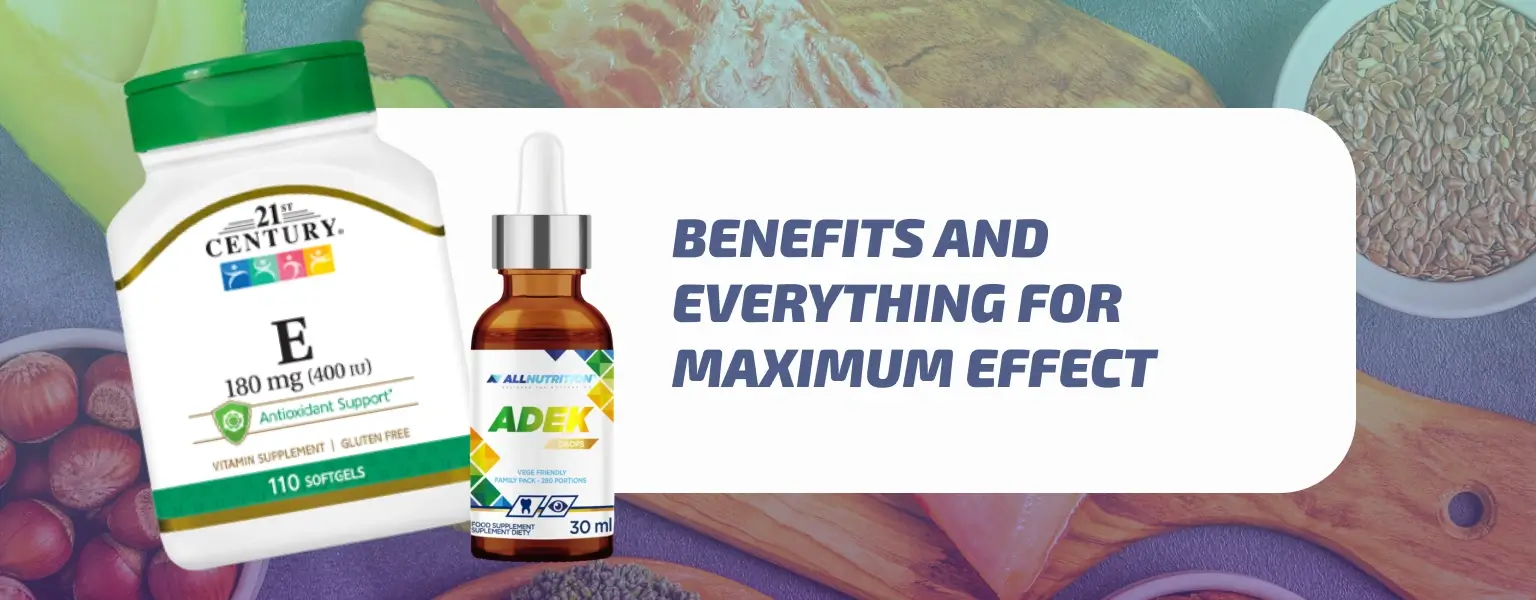
The key to getting the most out of vitamin E is moderation and an informed approach. While nature provides us with the perfect and completely safe way to get it through whole foods, supplements remain a valuable tool when the body is experiencing a proven and real deficiency.
Taking into account the individual needs of the body and a responsible attitude guarantee that this powerful antioxidant will work fully to support your longevity and tone.