0878 567 491
 BG
BG 


 Proteins
 Amino acids
 Healthy supplements
 Vitamins and minerals
 Creatine
 Weight loss
 Nitrogen boosters
 Testosterone and growth hormone
 Bars and food
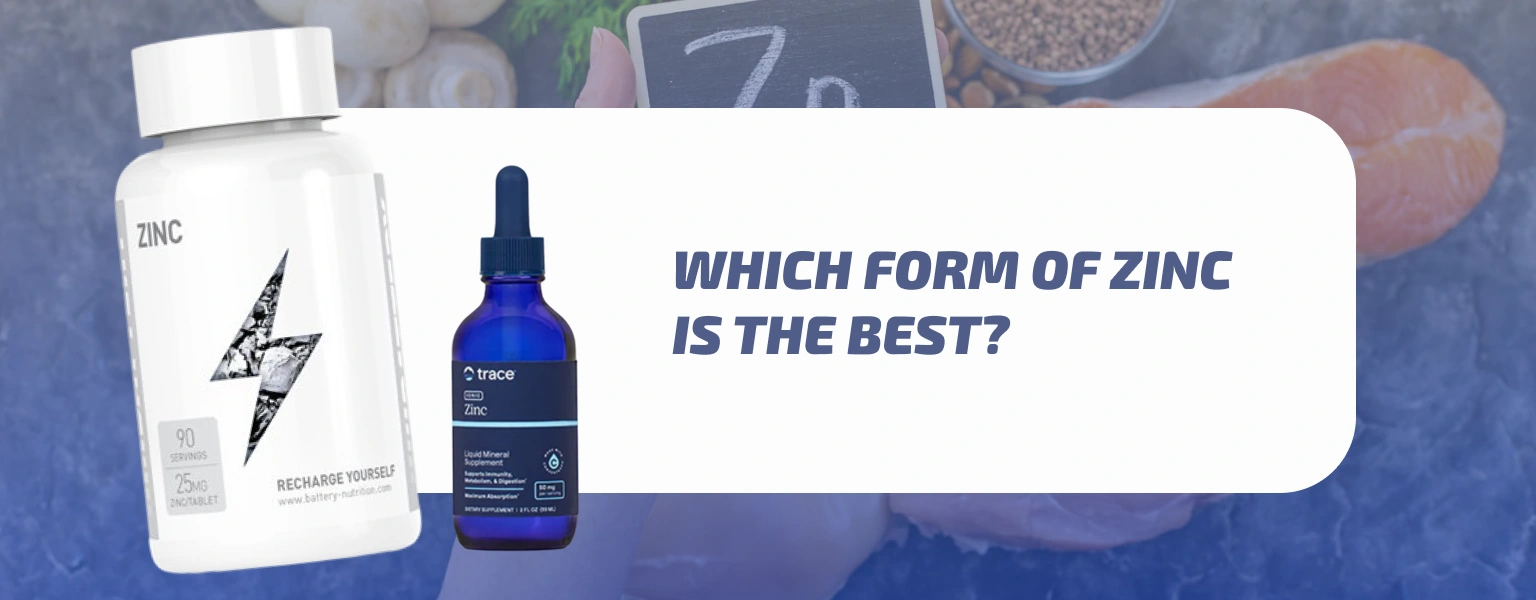
Zinc is a vital mineral that is involved in over 300 enzymatic reactions in the human body, supporting the immune system, cell division and DNA synthesis. Since the body cannot produce or store it on its own, its regular intake through food or supplements is essential. There are various forms of zinc supplements available on the market, each with a specific chemical structure, level of absorption (bioavailability) and specific health benefits.
To figure out which zinc is best for you, it's important to choose the right supplement based on your individual needs.
- Zinc Picolinate – As the name suggests, this form is bound to picolinic acid, which makes it easier for the mineral to pass through the intestinal lining. Scientific studies have shown that picolinate is absorbed more efficiently in the human body compared to citrate and gluconate, making it an excellent choice for quickly correcting a deficiency.
- Zinc gluconate – one of the most common and accessible forms, obtained by fermentation of glucose. It has good bioavailability and is often used in cold lozenges, as studies show that its topical action in the throat can reduce the duration of respiratory symptoms.
- Zinc citrate – an organic form that is almost as well absorbed as gluconate but has a more pleasant taste. It is suitable for people who experience stomach discomfort from other supplements and is often included in combination multivitamins.
- Zinc bisglycinate (chelate) – here, zinc is bound to two molecules of the amino acid glycine. Chelation prevents the mineral from binding to phytates in food (which interfere with absorption) and ensures extremely high bioavailability without irritating the stomach.
- Zinc oxide – an inorganic form with a very high content of elemental zinc (~80%), but with a low degree of absorption in the intestines. It is used primarily in topical creams for skin irritations and wounds.
Zinc – a matter of digestibility
The issue of bioavailability (or the degree of absorption) is not an exception for zinc, but is a key issue for almost all nutritional supplements, vitamins, and minerals on the market.
Bioavailability represents the percentage of an ingested substance that successfully passes into the bloodstream and becomes available for the needs of cells.
Zinc taken orally passes through the stomach and reaches the small intestine, where its actual absorption takes place via specialized transport proteins. However, we lose a significant amount of it here, as this mineral easily binds to phytates in food (compounds in grains and legumes), forming insoluble complexes that the body simply expels.
Additionally, during absorption in the small intestine, zinc molecules compete with other minerals such as iron and calcium for the same transport receptors, further reducing overall absorption. As a result of these “obstacles,” for a standard dose, our bodies actually absorb only between 20% and 40% of the amounts contained in the specific supplement.
Different forms of zinc differ in their degree and speed of absorption, which determines their specific application. The change in the chemical compound of the mineral changes the way the new molecule reacts with the environment in the gastrointestinal tract and with other ingested substances. For this reason, each form is designed to meet a specific need - some are absorbed faster for systemic support, others act locally, and still others offer higher economic accessibility.
Types of zinc – what to consider
On the market, zinc forms fall into three main categories based on their chemical origin: organic, inorganic, and chelated compounds. The difference between them lies in the molecule to which the mineral is attached, which determines how the body reacts to it and how it processes it.
Organic compounds
These forms are bound to organic acids, making them easily soluble in water and highly recognizable to our digestive system. They are well absorbed by the intestines, have a mild taste, and offer an excellent price-to-efficacy ratio for mass consumption. Typical examples of this category are zinc picolinate, zinc gluconate, and zinc citrate.
Inorganic compounds
These are mineral salts with a simpler structure, which are distinguished by a very high content of pure elemental zinc in one molecule. Since they are more difficult to break down and have low intestinal absorbability, they are ideal for external application in dermatology or as affordable basic raw materials. This group includes compounds such as zinc oxide and zinc sulfate.
Chelated forms
In these, zinc is chemically „packed“ between amino acid molecules, allowing it to pass through the stomach without any problems. These forms use alternative absorption pathways, do not irritate the mucous membrane, and remain completely protected from the influence of foods that would otherwise block their absorption. The most popular representatives here are zinc bisglycinate and zinc monomethionine.
Zinc with other vitamins and minerals
Taking zinc with other micronutrients requires special attention, as they can drastically alter its effectiveness. Some vitamins and minerals work synergistically and enhance its action, while others compete for the same absorption mechanisms in the body.
- Vitamin C – one of the most proven synergistic combinations. Vitamin C does not interfere with the absorption of zinc, but on the contrary – the two substances enhance each other's antioxidant effect and provide powerful combined support for the immune system.
- High doses of iron (especially taken as supplements on an empty stomach) can seriously inhibit (block) the absorption of zinc in the small intestine. The opposite is also true – large amounts of zinc can prevent the body from absorbing iron properly, which is why it is recommended to take them at different times of the day.
- Calcium, especially when taken in large amounts through supplements or dairy products, competes with zinc for the same receptors in the intestinal tract. This can reduce the overall absorption of zinc, so it is better to space them out. Popular combination supplements such as “Calcium, Magnesium and Zinc” seem to contradict this rule, but manufacturers intentionally use lower, balanced doses or specific chelated forms to minimize competition between minerals in the gut. However, when taking high doses of individual products for therapeutic purposes, spacing them out is essential for optimal effect.
- Zinc and copper share a common transport protein in the body. Long-term high doses of zinc stimulate the production of a protein that traps copper and flushes it out of the body, leading to a deficiency. For this reason, balanced supplements often combine the two minerals in precise ratios.
- Vitamin B6 – This vitamin aids metabolism and supports the efficient utilization of zinc by cells. The two elements work together in a number of enzymatic processes without interfering with each other at the digestive stage.
- Magnesium and zinc work together perfectly to support the nervous system and muscles, but taking them in extremely high doses at once (over 250 mg of magnesium) can slow down the absorption of zinc in the intestines.
- Influence of Vitamin A – Zinc is essential for the transport of vitamin A from the liver to the retina, which means that zinc deficiency can prevent the proper utilization of this vitamin in the body.
- The combined intake of zinc and vitamin D3 enhances bone density and immune response, as zinc participates as a cofactor in the activation of vitamin D receptors in cells.
What kind of zinc to drink according to different needs
There are a wide variety of forms of zinc available on the market as dietary supplements that are freely available and do not require a prescription. However, the best and safest approach for your health is always to consult a medical professional first to determine the exact dosage and intake schedule.
At the first symptoms of colds and respiratory viruses
To deal with sudden illnesses, lozenges containing zinc gluconate or zinc acetate are recommended. The reason is that these forms act locally in the oral cavity and throat, where the released zinc ions physically block the reproduction of viruses on the mucous membrane.
For people with sensitive stomachs and for long-term intake
If you suffer from gastritis or often experience nausea from food supplements, zinc bisglycinate (chelate) is the most suitable. In it, the mineral is bound to amino acids that protect the stomach lining from irritation and allow the body to recognize and absorb it in the same way as it digests food.
To quickly correct an identified deficit
When blood tests show a serious deficiency of the mineral, doctors often recommend zinc picolinate. Thanks to its binding to picolinic acid, this form passes extremely efficiently through the intestinal barrier, providing fast and measurable results in increasing zinc levels in the body.
For skin irritations and superficial wounds
Zinc oxide is the most widely used form of zinc for external support of dermatological health. Although it is not suitable for drinking due to its low intestinal absorption, this form is indispensable in the composition of creams and ointments, as it creates a protective film, reduces inflammation and accelerates skin regeneration.
Liquid, tablets, powder or capsules
The form of zinc supplements, whether liquid, tablet, capsule, or powder, does not alter the biological properties and effectiveness of the chemical compound itself (e.g. picolinate or citrate). The main difference between them lies in the speed of dissolution in the stomach and the convenience of taking.
Liquid forms and powders are absorbed the fastest as they do not require time for mechanical disintegration, and are ideal for people with slower peristalsis or difficulty swallowing.
Capsules offer rapid release and fewer technological additives (fillers) compared to hard tablets, which in turn dissolve the slowest but have the longest shelf life. The choice between all options is a matter of personal comfort, as long as you settle on a quality chemical form.
Curious – taste and smell with zinc
Often, during a cold or flu, food suddenly loses its taste and aroma. This is due both to the inflamed mucous membranes and to the fact that the immune system uses up huge amounts of zinc to fight the virus. The mineral is a key component of the protein glutathione, which is responsible for the growth and maintenance of taste buds.
While supplements cannot act as a shield and prevent the initial loss of senses during illness, zinc supplements play an important role after the initial symptoms subside. A quality zinc supplement gives the body the resources it needs to quickly restore taste and smell receptors.
A smart choice for your body
Choosing the best zinc is not a matter of the most effective formula overall, but rather one that responds to your body's individual rhythm and needs.
Whether you're looking for express immune support, gentle stomach care, or a quick recovery of the senses, MaxLife offers a precise solution for your needs.
The key to long-term health lies in informed choices, sensible intake, and proper combination. Listen to your body and take a step towards optimal balance today.