0878 567 491
 BG
BG 


 Proteins
 Amino acids
 Healthy supplements
 Vitamins and minerals
 Creatine
 Weight loss
 Nitrogen boosters
 Testosterone and growth hormone
 Bars and food
Muscle cramps are sudden, involuntary, and painful contractions of one or more muscles that can last from a few seconds to a few minutes. They are an extremely common occurrence, affecting both professional athletes and the elderly or those with a more sedentary lifestyle. The main causes of these muscle cramps include:
- Dehydration and loss of important electrolytes through sweating.
- Mineral deficiency, especially magnesium, potassium and calcium.
- Excessive physical exertion and muscle fatigue.
- Poor blood circulation in the extremities.
- Prolonged use of the same posture or uncomfortable position during sleep.
- Taking certain medications or having metabolic disorders.
The most common methods of treating muscle cramps include gentle stretching and massaging the affected muscle, as well as applying warm compresses to relax the tissues. In the long term, the focus should be on balanced fluid intake and restoring mineral balance in the body.
What are the most common muscle cramps?
Muscle cramps can affect almost any part of the body, but practice shows that certain muscle groups are significantly more susceptible to sudden and painful contractions. Understanding the specific types of cramps is the first step to effectively managing them, as the location of their occurrence often suggests a specific deficiency or physiological problem in the body.
Calf cramps
This is the most common type of muscle spasm, often occurring suddenly during intense running or at night when completely at rest. The underlying cause is usually a combination of muscle overload and metabolic lactic acid buildup, which irritates nerve endings.
Nighttime calf cramps are often caused by poor peripheral circulation or a deficiency of magnesium and calcium, which are vital for the relaxation phase of the muscle fiber.
When the body is dehydrated, blood volume decreases, making it difficult for oxygen to be delivered to these distant muscle groups, triggering a protective reaction in the form of contraction.
Cramps in the feet and toes
These cramps are extremely severe and often result in a visible curvature of the toes. They are usually a direct indicator of an electrolyte imbalance, specifically a deficiency of potassium, which is responsible for the transmission of nerve impulses.
Wearing uncomfortable or too-tight shoes is also a leading factor, as shoes squeeze the small muscles and tendons of the foot, limiting their normal range of motion.
Prolonged standing on a hard surface further depletes the arch of the foot, leading to involuntary contractions as a coping mechanism for mechanical stress.
Abdominal cramps and thigh cramps
Cramps in the thigh area (quadriceps or hamstring) are typical for athletes and are due to the “depletion” of glycogen stores in the muscle. When the energy resource is exhausted, the cellular pumps stop working properly and the muscle remains “locked” in a state of contraction.
On the other hand, abdominal cramps, in addition to physical exertion, can also be provoked by acute dehydration or heat stroke, as the body loses large amounts of sodium through sweating. This disrupts the osmotic pressure in the cells and leads to general muscle irritability, which is most pronounced in the torso.
Nighttime leg cramps – how to deal with them
Night cramps are an extremely unpleasant phenomenon that interrupts sleep suddenly and can leave muscles feeling tense for hours. As we said, they are often due to metabolic slowdown during rest, in which blood circulation in the limbs is not active enough to clear out waste products accumulated during the day.
When the body is in a horizontal position, muscle fibers contract physiologically, and if the nervous system is overexcited due to a lack of key minerals or accumulated fatigue, it sends the wrong signal to contract. The incorrect position of the feet under heavy blankets can also provoke this reflex, “locking” the muscle in a painful contraction.
To deal with sudden pain as it occurs, the first and most important step is to gently and slowly stretch the affected muscle. If the spasm is in the calf, you should straighten your leg and forcefully pull your toes toward you until you feel resistance, which will mechanically break the contraction.
A hot bath or warm shower right before bed relaxes the blood vessels and improves circulation, which is an excellent preventative measure. It's also important to stay hydrated throughout the day, as even mild dehydration makes muscle cells more susceptible to irritation.
An evening routine can include gentle ankle exercises, which ensure that muscles enter sleep mode in a state of complete rest, rather than tension. Drinking plenty of fluids and avoiding caffeine in the late hours also helps stabilize nerve impulses and promote restful sleep without interruptions from painful cramps.
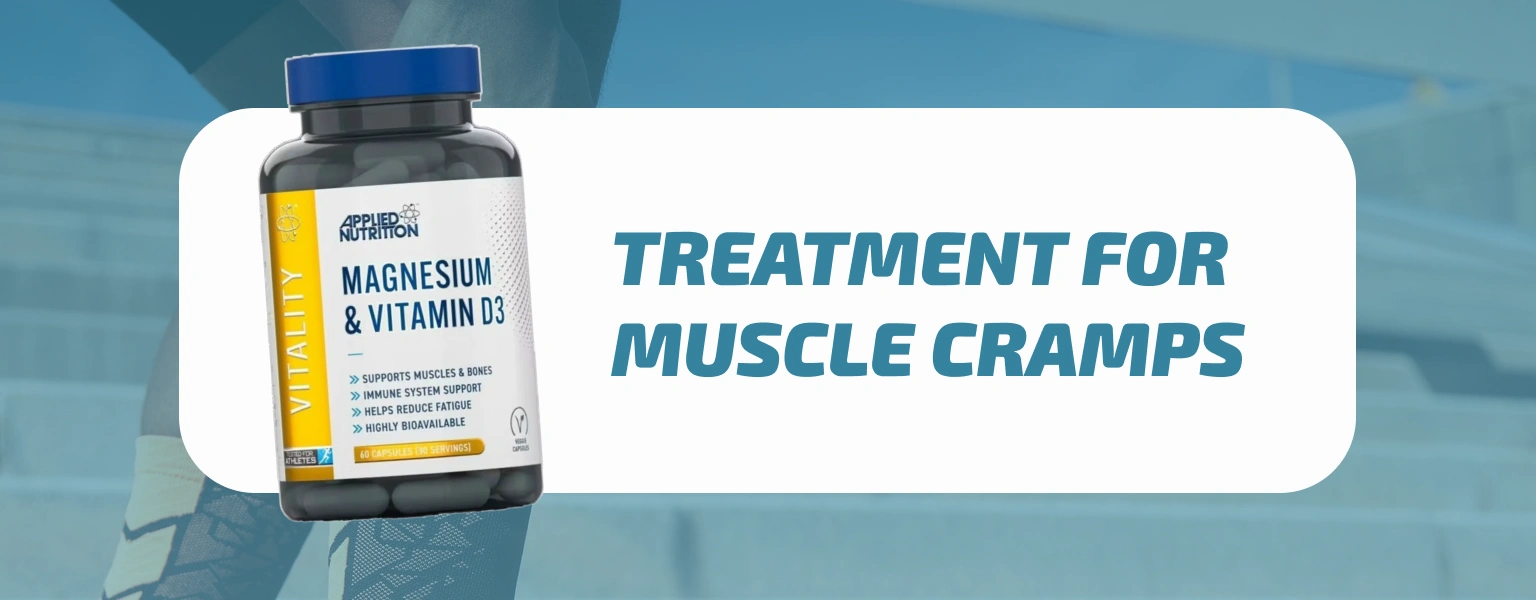
Magnesium and muscle cramps – myths and real facts
Magnesium is often the first thing we reach for when we experience painful cramps because of its key role in the process of muscle relaxation. Despite its widespread popularity, there are many misconceptions about how this mineral works and when it is truly effective.
Here are the five most common myths and the truth behind them:
- Myth 1: Magnesium cures cramps instantly. In fact, this mineral works by accumulating in the body. In the case of an acute cramp, a magnesium tablet will not stop the pain immediately - it is necessary to take it systematically to restore cellular balance and prevent further occurrence.
- Myth 2: Any muscle cramp is a sign of magnesium deficiency. In fact, cramps can be due to dehydration, overexertion, or low potassium and calcium levels. Magnesium only helps if the cause is a specific deficiency.
- Myth 3: All forms of magnesium work the same. The reality is that forms like magnesium oxide are very poorly absorbed (about 4%). For muscle health, organic compounds like citrate, bisglycinate, or malate are far more effective.
- Myth 4: Magnesium is more effective in spray form. Scientific research has not yet conclusively confirmed that transdermal absorption can replace oral intake in cases of serious internal deficiency.
- Myth 5: We can only get all the magnesium we need through food. Unfortunately, due to the general depletion of soils, the magnesium content in food products has dropped dramatically, which often necessitates the use of quality supplements to fill the gaps. Magnesium supplements remain an affordable and easy way to supply the body with this valuable mineral.
Muscle cramps and dehydration
Water is the fuel that allows electrical signals in our bodies to travel freely. When we don't drink enough water or sweat profusely, our bodies begin to "dehydrate.".
As a result, the fluids around the muscles decrease and thicken, which confuses the nerve endings. They become hypersensitive and start sending chaotic signals, causing the muscle to tighten abruptly and painfully – this is exactly what we know as a cramp.
The big problem is that when we sweat, we lose not only water, but also valuable minerals called electrolytes. They are like little messengers that tell muscles when to contract and – more importantly – when to relax. When these minerals are missing, the muscle literally stays in one position and cannot relax, no matter how hard we try.
At such times, plain water is often not enough because it does not contain these missing elements. Therefore, electrolyte drinks and supplements are the fastest and most convenient way to “flux” the system and restore balance to our bodies.
First aid for sudden spasm – stretching techniques
A sudden muscle spasm is not only painful, but in certain situations it can also be extremely dangerous. If a cramp strikes while you’re swimming in deep water, driving on the highway, or climbing steep terrain, it can lead to loss of control and serious accidents. In such moments, it’s critical to maintain your composure and act quickly to “unlock” the muscle and restore your mobility.
The first and most effective technique is active stretching. You need to mechanically stretch the shortened muscle in the opposite direction of the spasm. As we explained above, if your calf gets tight, straighten your leg and forcefully pull your toes toward your body. Hold this position, even if the pain is intense, until you feel the muscle fibers begin to relax.
Another proven method is deep massage and pressing. Use your thumbs or knuckles to apply firm pressure directly to the tightest point of the spasm. This helps to interrupt the nerve signals that keep the muscle tight. As soon as the sharp pain subsides, gently move the limb to improve circulation. If possible, alternating a warm compress to relax and ice to soothe inflammation will speed tissue repair and prevent the spasm from recurring in the hours that follow.
Muscle cramps – prevention
Preventing muscle cramps is much easier and more effective than trying to stop them once the pain has set in. The key to relaxed muscles lies in building daily habits that keep the body balanced, hydrated, and prepared for physical stress. When you invest in prevention, you not only avoid discomfort, but also improve your overall physical endurance and sleep quality.
One way to protect muscle cells from involuntary contractions is to regularly consume quality magnesium supplements. This mineral acts as a natural “peacemaker” for the nervous system, ensuring that muscle fibers can fully relax after each movement.
Electrolyte drinks are an indispensable aid for people with active daily lives or for those of us who spend a lot of time outdoors. The so-called sports drinks deliver a precise mix of salts that maintain the electrical balance in the body and prevent the “short circuits” that lead to cramps.
Light stretching before bed and after exercise helps tissues stay supple and well-hydrated. It's also important to remember to gradually increase your physical activity to avoid subjecting your muscles to shock stress, which is one of the main triggers for cramps.
Recognizing the specific cause of muscle cramps and implementing the right combination of physical care and nutritional support is the surest way to bring comfort back into your daily life.