0878 567 491
 BG
BG 


 Proteins
 Amino acids
 Healthy supplements
 Vitamins and minerals
 Creatine
 Weight loss
 Nitrogen boosters
 Testosterone and growth hormone
 Bars and food
Digestive enzymes are specific proteins – biological catalysts that break down complex macronutrients from food into smaller molecules ready for absorption by the body. They are produced primarily in the pancreas, small intestine and salivary glands, but can also be obtained through certain raw foods or high-quality nutritional supplements. Types of digestive enzymes are:
- Amylase – this enzyme is produced in the salivary glands and pancreas, and its main task is to break down complex carbohydrates and starch into simple sugars. Without it, the process of digesting pasta and cereals would be impossible even in the oral cavity.
- Protease – responsible for breaking down proteins into amino acids, which are the building blocks of muscle and tissue. This enzyme is critical for the immune system and proper cellular repair.
- Lipase – produced in the pancreas and specializes in breaking down fats into fatty acids and glycerol. It ensures the absorption of fat-soluble vitamins A, D, E and K.
- Lactase is responsible for processing lactose, the sugar found in dairy products. Its deficiency leads to frequent stomach upsets and milk intolerance.
- Cellulase – the human body does not produce this enzyme naturally, but it is necessary for the breakdown of plant fiber (cellulose). Its acquisition helps in the absorption of nutrients from fruits and vegetables, but it is not critically important for digestion.
- Maltase – a specific enzyme that converts maltose (malt sugar) into glucose for energy metabolism. It is necessary for the finalization of the carbohydrate digestion process in the small intestine.
- Sucrase (Sucrase) – breaks down sucrose into fructose and glucose. Key for processing regular table sugar and preventing fermentation processes in the intestines.
Types of enzymes and their importance
The variety of digestive enzymes in the human body is organized into a precise system that ensures the complete absorption of nutrients through highly specialized functions.
According to the site of their secretion, enzymes are divided into salivary, gastric, pancreatic and intestinal, with each type acting in a specific environment and at a different level of acidity.
On the other hand, the most practical classification of these biological catalysts is based on the specific substrate or macronutrient on which they act.
Proteolytic enzymes, known as proteases, are responsible for breaking down complex proteins into amino acids, while lipolytic enzymes, or lipases, handle the processing of fats and the absorption of fat-soluble vitamins.
Amylolytic enzymes, led by amylase, transform starch and carbohydrates into simple sugars for energy, and the group of disaccharidases, including lactase and sucrase, takes care of the fine breakdown of specific milk and table sugars.
This narrow specialization prevents the fermentation of undigested food in the intestines and is fundamental to preventing bloating and metabolic discomfort.
Lack of digestive enzymes – symptoms and causes
When the body does not produce enough enzymes, nutrients remain undigested, leading to a buildup of toxins and serious discomfort in the gastrointestinal tract. This deficiency is often the result of stress, aging, or specific pancreatic diseases that disrupt natural secretion.
- Bloating and gas – a result of the fermentation of undigested carbohydrates in the intestines. It is usually a sign of amylase or lactase deficiency.
- Heaviness after eating – the feeling of a „stone in the stomach“ occurs when proteins are not broken down properly, which indicates a critical lack of protease or gastric juice.
- Fatty stools (steatorrhea) – this symptom is a direct result of the body's inability to process fats, which is associated with a deficiency of the enzyme lipase.
- Diarrhea or frequent bowel movements – the rapid passage of undigested food through the tract is often due to lactose intolerance (lack of lactase) or general enzyme deficiency.
- Vitamin deficiency and weight loss – even with good nutrition, the body remains „hungry“ because without sufficient lipase and protease it cannot absorb fat-soluble vitamins and vital amino acids.
- Occurrence of food allergies – when large protein molecules pass through the intestinal wall undigested, the immune system attacks them, which is often a sign of a systemic lack of proteolytic enzymes.
Digestive or nutritional enzymes
The main difference between the two types lies in their source: digestive enzymes are produced by the body's own organs (such as the pancreas), while nutritional enzymes arrive from the outside through raw food or specialized supplements.
While internal enzymes are our natural processing “factory”, external enzymes assist this process, easing the burden on the gastrointestinal tract.
Depending on their origin, food enzymes are divided into 3 types.
- Animal enzymes – these are most often extracted from the pancreas of pigs or cattle and are closest in composition to those that the human body produces naturally. These enzymes are extremely effective in breaking down fats and proteins, but operate in a narrower range of acidity (pH).
- Plant enzymes – examples of which are bromelain from pineapple and papain from papaya, which are known for their powerful proteolytic properties. Their great advantage is that they remain active over a wide range of pH levels, allowing them to start working in the stomach.
- Fungal/microbial enzymes – produced through controlled fermentation of beneficial microorganisms, these enzymes are extremely stable and resistant to stomach acids. They are the ideal choice for vegans and people with sensitive digestion, as they offer a wide spectrum of action across a variety of food types.
Foods rich in enzymes
The food enzymes contained in raw products work in sync with our body, starting the digestion process even before the pancreas is fully activated.
This significantly eases the digestive system, increases energy levels and improves the absorption of micronutrients. The good news is that you can get these valuable helpers directly from the fruit and vegetable market.
- Pineapple – this exotic fruit is one of the best sources of bromelain, a group of proteolytic enzymes that help break down proteins efficiently and have powerful anti-inflammatory properties.
- Papaya – another exotic fruit on the list. It contains the enzyme papain, which, like bromelain, facilitates the processing of proteins and is extremely useful for feeling heavy after eating meat.
- Ripe mango is rich in amylases – enzymes that break down starch and complex carbohydrates into simple sugars such as glucose and maltose.
- A wide range of enzymes are found in raw, unfiltered honey, including diastase, invertase, and catalase, which aid in the metabolism of sugars and boost immune defenses.
- Avocado – unlike most fruits, avocado is rich in lipase, which helps the body break down fats.
- Kiwi – contains the unique enzyme actinidin, which acts as a catalyst in the digestion of a wide variety of proteins, including those from dairy products and meat.
- Fermented foods – sauerkraut, kimchi, kefir, etc. These products are “live” sources of a rich cocktail of enzymes and probiotics that are formed during the fermentation process and improve overall gut health.
Reception of digestive enzymes
Proper enzyme intake is crucial for their effectiveness. The general rule is to take them at the beginning or during a meal, so that they mix directly with the food in the stomach. Taking them in the morning on an empty stomach is only appropriate for specific therapeutic purposes such as reducing joint pain, purifying the blood, recovering from sports injuries, or helping with autoimmune diseases.
When you wonder "what enzymes should I buy," you should tailor your choice to your diet and specific needs.
If your diet is rich in raw fruits and vegetables, plant-based food enzymes will be a great addition to your diet. Since raw plants already contain their own enzymes for self-digesting, adding plant enzymes (like bromelain or papain) enhances this process and ensures that you get the most out of the beneficial nutrients without putting undue strain on your pancreas.
Such supplements work in synergy with fiber and natural sugars, preventing bloating that sometimes accompanies the transition to a healthier, cellulose-rich diet.
However, if you suffer from heaviness after consuming cooked food, fat, or meat, pancreatic (digestive) enzymes are more suitable, which compensate for the lack of your own secretion.
Always search complex formulas, combining amylase, lipase and protease to ensure complete breakdown of all macronutrients. Consistency is the key to lasting results and ease.
Enzymes – frequently asked questions
Can I become addicted to taking enzymes?
Scientific research shows that taking enzymes as a supplement does not cause the pancreas to stop producing its own enzymes - they simply support the process when the body is under stress or a heavy meal.
Do enzymes help with weight loss?
Enzymes themselves do not burn fat, but they improve metabolism and food absorption, which prevents the accumulation of toxins and helps with higher energy levels during a diet.
Do they have side effects?
When dosed correctly, digestive enzyme supplements are completely safe, but excessive intake on an empty stomach can sometimes cause mild stomach irritation or short-term upset while the body adapts.
How long after eating can I take them if I forget?
It is best to take them within 30 minutes of starting a meal. If more time has passed, their effect will be significantly weaker, as the food has already passed into the lower parts of the gastrointestinal tract.
Can children take digestive enzymes?
Yes, especially with specific intolerances such as lactose intolerance, but you should always consult a pediatrician to determine the correct dosage and type of enzyme.
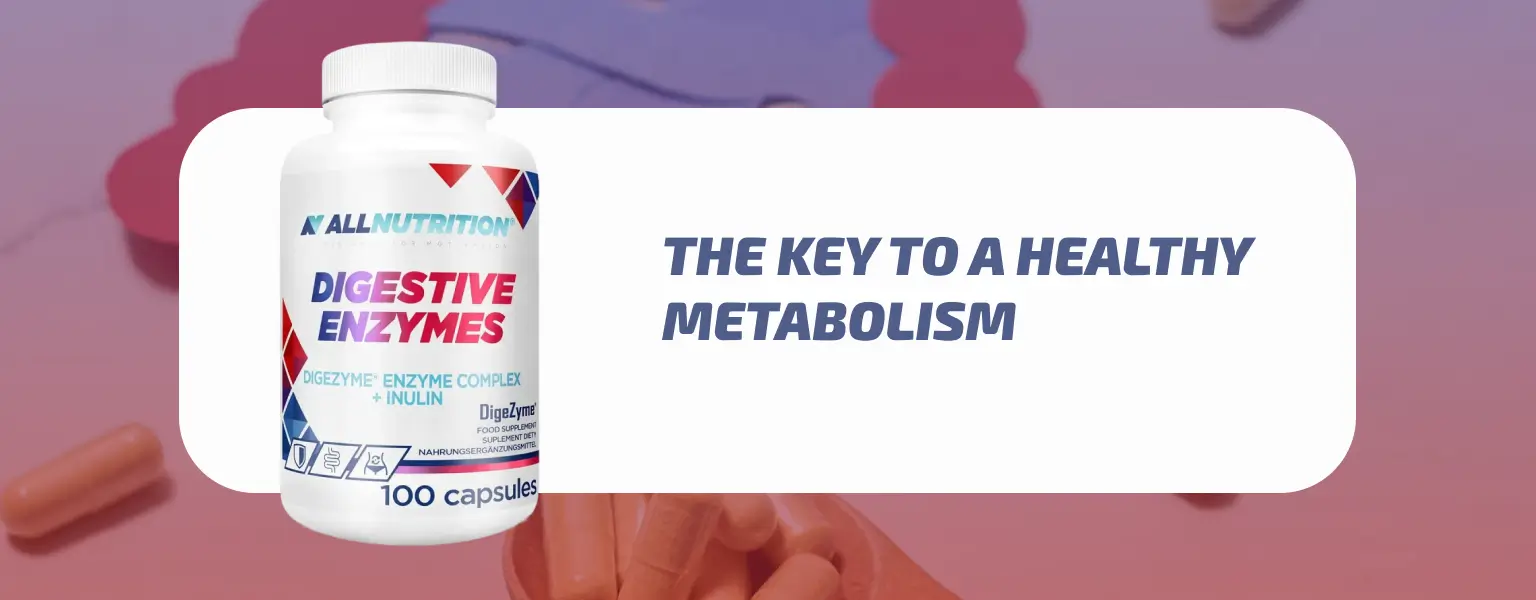
The smart way to ease
An investment in good digestion is an investment in the long-term health and vitality of the entire organism. When we support our body with the right food choices and, when needed, with the right enzymes, we unlock the full energy potential of everything we consume.
A healthy metabolism starts with understanding these little biological helpers that work tirelessly to keep us comfortable and at ease. Allow your body to function in sync by giving it the tools it needs to fully absorb every nutrient.