0878 567 491
 BG
BG 


 Proteins
 Amino acids
 Healthy supplements
 Vitamins and minerals
 Creatine
 Weight loss
 Nitrogen boosters
 Testosterone and growth hormone
 Bars and food
Hair thinning is a progressive process in which the density of the hair shaft visibly decreases and individual strands become more fragile and fine. This condition affects both men and women, and often becomes a source of serious discomfort.
Besides the purely physical dimension, the change in appearance also carries a heavy emotional burden, as thick and vibrant hair is traditionally associated with health and self-confidence. Loss of volume can be provoked by a wide range of factors, ranging from genetic predisposition and hormonal fluctuations to stress and improper scalp care.
Fortunately, modern trichology and cosmetology offer a variety of approaches to treat thinning hair and stimulate new growth. The main methods include the use of specialized topical serums and shampoos rich in active ingredients, as well as taking targeted nutritional supplements to nourish from within.
Professional procedures in specialized offices, laser therapy and innovative mesotherapies also occupy an important place in the arsenal against hair thinning. Correct diagnosis and the choice of an appropriate strategy are key to restoring the natural strength and vitality of the follicles.
Why is my hair thinning – possible causes
Hair rarely loses its density for a single reason, and the process is usually the result of a combination of internal physiological changes and external factors. Before taking any measures, it is important to establish what exactly provokes the thinning in order for the chosen strategy to be truly effective.
Here are the main causes of thin hair that people of different ages may face:
- Genetic predisposition and androgenic alopecia: Heredity plays a key role, as in this type of condition, the follicles are genetically sensitive to certain hormones. Under their influence, the life cycle of the hair is drastically shortened, leading to a gradual shrinkage of the roots until they begin to produce only a barely noticeable, fine fluff.
- Hormonal imbalance: Sudden changes in estrogen, progesterone, or thyroid hormone levels directly affect hair growth. Periods such as pregnancy, menopause, or thyroid problems can put a large number of follicles to sleep at once, causing diffuse thinning throughout the scalp.
- Chronic stress and emotional strain: Severe stress puts the body into survival mode, diverting resources to vital organs at the expense of hair. High cortisol levels can trigger a condition called telogen effluvium, in which hair falls out prematurely.
- Deficiency of key nutrients: hair is made up mostly of protein (keratin), and its production requires iron, zinc, biotin, and B vitamins. The lack of these building blocks in the daily menu makes newly emerging strands weak, thin, and lacking in elasticity.
- Aggressive treatment and external factors: frequent use of strong chemical dyes, hot styling tools and excessive tension on the hair damage its structure. Mechanical and thermal stress destroys the protective layer of the hair shaft, leading to breakage and a visual reduction in overall volume.
Care for thinning hair
Daily care for thinning hair requires a specific approach that combines gentle cleansing with intensive strengthening of the hair structure. The right habits can significantly slow down the thinning process and give a thicker, healthier look.
Choosing the right cosmetics
Using shampoos and conditioners without harsh sulfates is essential, as these chemicals strip the scalp of its natural oils and weaken the root. Specialized volumizing products often contain proteins and polymers that coat the hair shaft and visually increase its diameter without weighing it down.
Proper washing and massage
Massaging the scalp while bathing (and not only) stimulates microcirculation and improves blood flow to the follicles. This process facilitates the delivery of nutrients and oxygen to the roots, which is critical for maintaining an active growth phase and preventing premature hair loss.
Carefully combing and drying
Wet hair is extremely elastic and prone to breakage, so rough rubbing with a towel should be replaced with gentle blotting. A wide-toothed comb helps to smoothly detangle without subjecting strands to unnecessary pressure or straining already weakened follicles. Such a “gentle” approach preserves the integrity of the hair and protects vulnerable areas from mechanical damage, which often leads to loss of volume.
Limiting heat treatment
High heat from blow dryers and straighteners breaks down keratin bonds and makes hair porous and brittle. Opt for styling alternatives like volumizing rollers that don't damage the hair's structure.
Protection from external aggressors
Solar radiation and polluted air generate free radicals that attack the proteins in the hair. Wearing a hat and sunscreen sprays act as a barrier that preserves elasticity and prevents photoaging of the scalp and hair.
Cosmetic therapies to restore thin and thinning hair
Choosing the right cosmetic products is a fundamental element of a hair growth strategy. Modern formulas combine powerful active ingredients that attack the problem directly at the root of the hair, improving cellular nutrition and strengthening the outer protective layer.
Stimulating serums with caffeine and biotin
Caffeine acts as a powerful scalp energizer, quickly activating microcirculation and prolonging the growth phase. Biotin, also known as vitamin B7, strengthens the keratin structure and makes the strands more resistant to breakage. The combination of these two components maintains the vitality of the follicles and protects the hair from premature thinning.
Restorative masks with keratin and panthenol
Products enriched with keratin fill the microscopic cracks in the hair shaft that often appear when thinning. Panthenol adds extra volume by retaining moisture inside the strand and making it thicker and more elastic. Regular use of these ingredients gives hair a thicker appearance and restores the natural shine of damaged areas.
Innovative therapies with Trioxidil
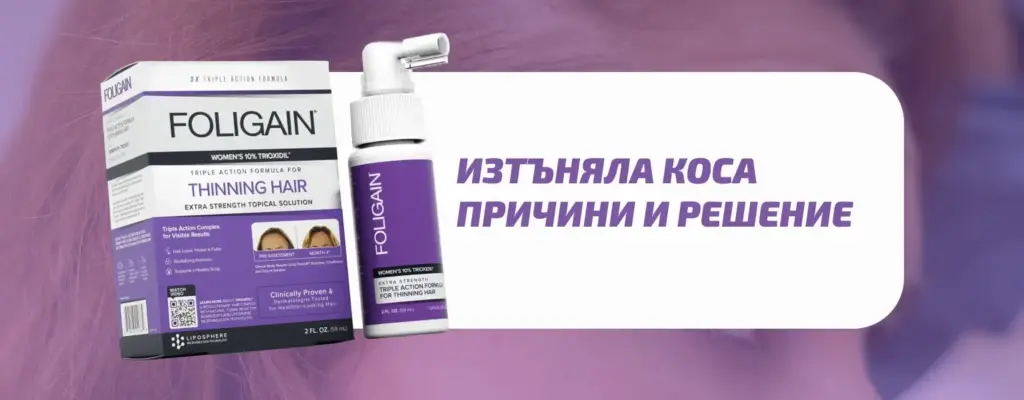
Trioxidil is a revolutionary triple-action complex developed specifically to combat thinning. This ingredient is distinguished by its high effectiveness, as it simultaneously blocks negative hormonal influences on the root, delivers important nutrients and maintains the health of the surrounding tissues.
The difference from traditional methods lies in its ability to create an optimal environment for new growth without causing irritation. There are narrowly specialized products on the market Trioxidil therapies tailored to the needs of the male body, as well as trioxidil therapies for women, which guarantee precise action on the biological characteristics of the scalp.
The role of nutritional supplements
External care is often not enough if the follicles do not receive the necessary resources from within. Hair supplements They act as a building material that nourishes the hair directly through the blood circulation and prolongs its active growth phase.
Key components such as biotin and zinc are vital for the synthesis of keratin, which builds the very structure of the hair and makes it thicker. The presence of Saw Palmetto extract in the specialized formulas helps block the enzymes responsible for shrinking the follicles, while copper and vitamin B6 maintain the natural pigmentation and strength of the newly emerged strands.
The addition of folic acid and taurine further stimulates cell division, which ensures that the hairstyle will regain its density and resistance to external influences. The right mix of these trace elements creates a stable foundation for overcoming thinning and stimulates the appearance of healthier and stronger hair.
Hair as a reflection of inner balance
The path to restoring thinning hair requires patience and a holistic approach that combines quality cosmetics with proper care from the inside.
Every step – from choosing a specialized shampoo to taking key micronutrients – plays a crucial role in strengthening follicles and awakening their growth potential.
Hair is a living organ that responds to attention and perseverance, so timely and consistent measures are the best investment in long-term self-esteem.