0878 567 491
 BG
BG 


 Proteins
 Amino acids
 Healthy supplements
 Vitamins and minerals
 Creatine
 Weight loss
 Nitrogen boosters
 Testosterone and growth hormone
 Bars and food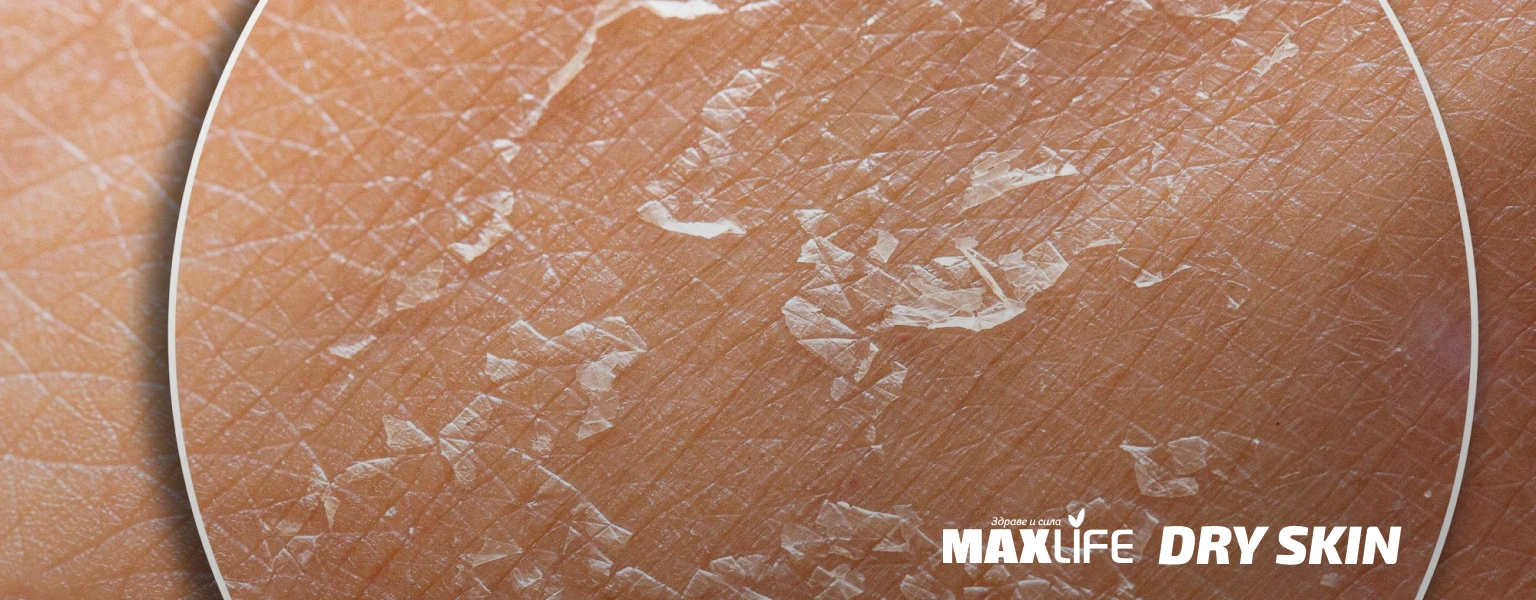
Dry skin (or xerosis) is characterized by symptoms such as flaking, a feeling of unpleasant tightness, itching, and a rough, rough texture. These unpleasant manifestations are due to a disrupted skin barrier, in which there is a significantly reduced content of lipids (the natural fats in the skin that build its protective barrier) and increased epidermal water evaporation.
This problem can occur on any part of the body, but is most often seen on the face, hands, lower legs and elbows. The condition affects people of all ages: in infants and children it is due to an immature skin barrier or atopic dermatitis, in men and women it is associated with hormonal changes and external factors, and in the elderly - with a physiological decrease in the natural production of sebum and hyaluronic acid.
What is recommended for hydrating and nourishing the skin from the inside out?
- Vitamins: vitamin A (stimulates epidermis regeneration), vitamin C (supports collagen synthesis and protects against oxidative stress), vitamin E (fat-soluble antioxidant that strengthens the lipid barrier) and Vitamin D3 (regulates the growth and protective functions of keratinocytes).
- Minerals: zinc (accelerates tissue healing and supports lipid metabolism), selenium (protects cells from oxidative damage) and silicon (maintains collagen structure and elasticity of the dermis).
- Nutritional supplements: omega-3 fatty acids (reduce inflammation and dryness), drinking hyaluronic acid (retains water molecules in the dermis), collagen peptides (improve skin density and hydration), and oral ceramides (restore the stratum corneum).
- Foods: fatty fish (salmon, mackerel, sardines), avocados, nuts and seeds (walnuts, flaxseed, chia), olives and olive oil, as well as water-rich vegetables and fruits (cucumbers, watermelon, spinach, tomatoes).
- Fluids: purified water (a key factor in maintaining cell elasticity and density), spring or low-mineralized water, bone broth (rich in natural collagen and amino acids), as well as caffeine-free herbal teas (chamomile, rooibos, green tea).
Causes of dry skin
The causes of dry skin are extremely diverse and range from external atmospheric influences to specific internal conditions of the body. We must not forget that even two identical symptoms, such as flaking or a feeling of tightness, can be due to completely different factors in different people.
Adverse climatic conditions and environment
Low temperatures, strong winds, and cold air during the winter months drastically constrict blood vessels and slow down gland secretion, while heating appliances further dry the air in rooms. This provokes increased evaporation of moisture from the epidermis, and symptoms include cracking, roughness, and redness, especially on exposed areas such as the face and hands.
Advancing age
With age, the natural production of sebum, hyaluronic acid and collagen physiologically decreases. The structure of the dermis thins and the sebaceous glands become less active. This causes chronic dryness, a pronounced loss of elasticity, the appearance of deeper wrinkles and permanent sensitivity, especially in the extremities and face.
Aggressive cosmetics and excessive hygiene
Frequent washing with hot water and the use of drying soaps or cleansing products with aggressive sulfates destroy the hydrolipidic film of the skin. The lack of these protective fats leads to an immediate feeling of painful tightness, itching and intense micro-flaking immediately after contact with water.
Hormonal imbalance
A drop in estrogen levels during menopause, conditions such as hypothyroidism (an underactive thyroid gland), or pregnancy directly affect the skin's ability to retain moisture. Symptoms include severe generalized dryness all over the body, loss of shine, increased vulnerability, and a feeling of roughness.
Lack of water and nutrients
Insufficient water intake, combined with a deficiency of essential fatty acids (omega-3) and key vitamins (A, C, E), deprives cells of the necessary building material for their membranes. This leads to dry, gray and lifeless skin with reduced density, in which physiological repair processes are slowed down.
Dry skin – lack of vitamins?
Micronutrient deficiencies are a relatively common systemic cause of dry skin, especially in people with inefficient nutrient absorption or strict dietary restrictions.
When the body does not receive key elements, this directly disrupts the structure and protective functions of the epidermis.
Each deficiency affects the skin structure in a specific way. Lack of vitamin A leads to hyperkeratosis and pronounced dryness due to impaired regeneration of epidermal cells.
Deficiency of B vitamins (especially B2, B3 and B7) causes cracking, dermatitis and increased sensitivity. Low levels of vitamin C inhibit collagen synthesis and weaken protective functions, while vitamin E deficiency compromises the lipid barrier and accelerates water loss.
Correcting your eating habits is a fundamental step in restoring the skin's density, smoothness, and natural hydration.
Dry or dehydrated skin
Before we move on to detailed advice on what to drink for dry skin, we need to distinguish between dryness and dehydration - 2 similar, but completely different conditions.
The problem with dry skin is the lack of enough natural oils (lipids and sebum) that form the protective barrier. This leads to a constant lack of nourishment, chronic flaking, rough texture, and a feeling of tightness.
Dehydrated skin is a lack of water in the cells, not fat. This condition can affect any skin type, including oily skin. It is transient and is characterized by a grayish complexion, pronounced fine lines, and discomfort, most often caused by dehydration itself or external aggressors.
Vitamins for dry skin
When taken orally, vitamins enter the bloodstream and have a systemic effect on the skin throughout the body. However, the effect of individual micronutrients is felt differently in different areas of the skin. This is because the thickness of the epidermis, the density of the sebaceous glands and the degree of exposure to external aggressors vary significantly between the face, hands and body.
Vitamins for dry body skin
Areas such as the lower legs, elbows and knees naturally have a lower number of sebaceous glands, making them prone to deep dryness and flaking. For these larger surfaces, vitamin D3 is key, as it regulates the division and maturation of keratinocytes, maintaining the integrity of the skin layer. Vitamin B3 (niacinamide) and vitamin B7 (biotin) improve the overall structure of the epidermis and help retain moisture in areas with low natural sebum secretion.
Vitamins for dry skin on hands
The skin on the hands is extremely thin and is subjected to constant washing, detergents and weathering, which leads to rapid destruction of the hydrolipid barrier.
For this area, it is of paramount importance vitamin E – a powerful fat-soluble antioxidant that restores the lipid layer and protects against cracking. Vitamin A stimulates cell regeneration and accelerates the healing of micro-wounds caused by drying.
Vitamins for dry facial skin
The face has the highest density of sebaceous glands, but is most exposed to UV radiation and pollution. Vitamin C is essential for this area as it is a necessary cofactor for collagen synthesizing enzymes and neutralizes oxidative stress.
Combined with vitamins A and E, vitamin C helps maintain density, even out texture, and prevent fine lines resulting from dryness.
What are the best supplements for dry skin?
Nutritional supplements for nourishing dry skin act systemically from within by restoring the lipid barrier and improving the dermis' ability to retain water. Their role is to fill the deficits that topical cosmetics cannot reach, providing building material for cells.
- Omega-3 fatty acids reduce inflammation, strengthen the fat layer of cells and thus prevent moisture loss through the epidermis. Take 1000-2000 mg daily during a main meal with fat, for optimal absorption.
- Drinking hyaluronic acid binds and retains water molecules in the deep layers of the dermis, restoring its density and smoothness. Take 100–200 mg daily in the morning with a large glass of water.
- Hydrolyzed collagen peptides stimulate natural collagen synthesis and maintain the elasticity of the skin matrix. Take 2.5 g to 10 g daily (powder or liquid), best at night before bed.
- Oral phytoceramides restore the intercellular lipid barrier in the stratum corneum, reducing roughness and flaking. Take as directed by the manufacturer (usually 30–50 mg daily) for a minimum of 60 days.
- Zinc supplements accelerate tissue regeneration and support the proper synthesis of fatty acids in the skin. Take 10-15 mg daily after meals to avoid stomach irritation.
- Organic silicon strengthens the collagen network and improves the ability of connective tissue to retain water. Take 5-10 mg daily, dissolved in water or juice, preferably in the morning.
The path to healthy and hydrated skin
Hydrated and radiant skin is the result of balanced care from the inside and out - complete nutrition, proper fluid intake, and appropriate cosmetics.
Although nutritional supplements and vitamins can significantly help restore the skin barrier, they are not a universal solution.
Before resorting to self-medication and taking supplements, it is imperative to consult a qualified dermatologist. Only in this way will the exact causes of dryness be identified and an individualized treatment plan with long-lasting and visible results be developed.