0878 567 491
 BG
BG 


 Proteins
 Amino acids
 Healthy supplements
 Vitamins and minerals
 Creatine
 Weight loss
 Nitrogen boosters
 Testosterone and growth hormone
 Bars and food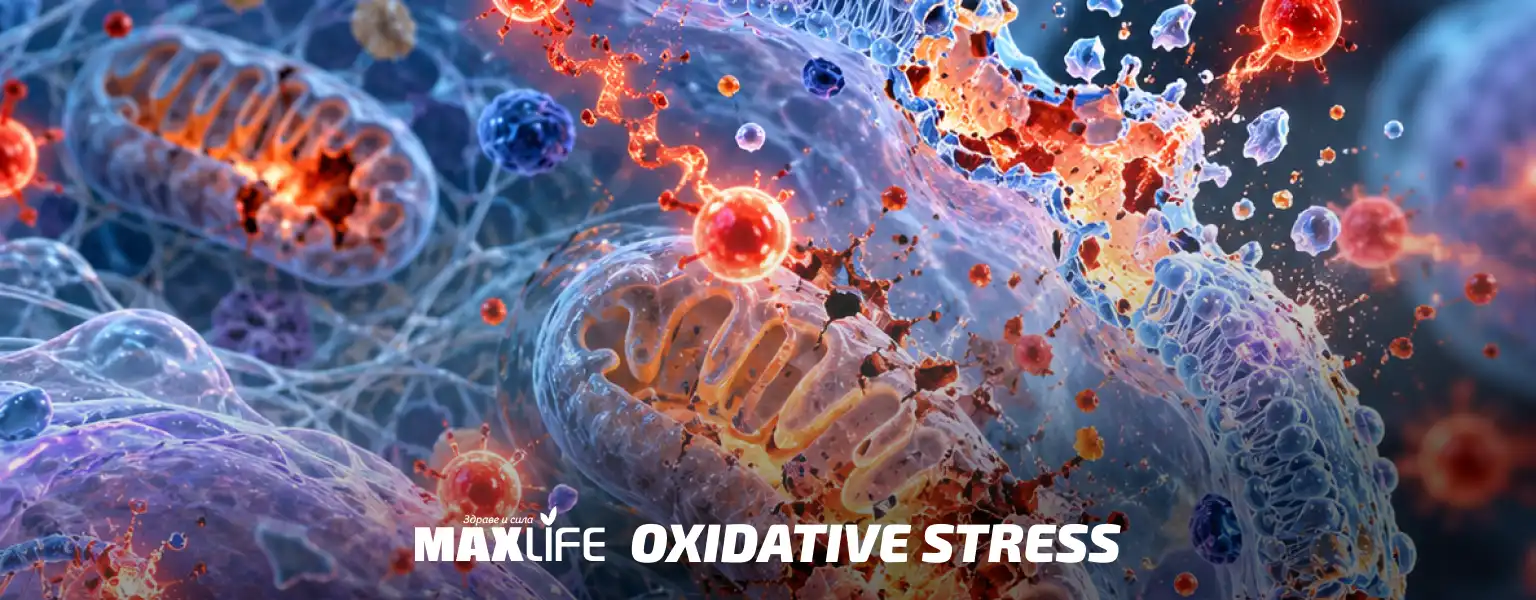
Oxidative stress is a pathological state of disturbed biochemical balance in the body, in which the production of reactive oxygen species (free radicals) exceeds the natural capacity of antioxidant defense to neutralize them.
This mechanism leads to molecular damage to cell membranes, proteins, and DNA. The phenomenon was officially defined by the scientific community in 1985, becoming a key concept in modern medicine.
- Common signs: severe chronic fatigue, decreased tone, „brain fog“, delayed recovery, sleep problems and early signs of skin aging.
- It occurs at all ages, but the frequency and intensity increase progressively after the age of 35-40 due to the natural weakening of enzymatic protection.
- A chronic factor in the development of over 100 diseases, including cardiovascular, neurodegenerative and autoimmune problems.
- Oxidative stress can be both a temporary acute condition and a prolonged systemic process.
Oxidative stress – symptoms and what causes them
Depending on the overall health status and individual susceptibility of the body, oxidative stress can manifest itself as a single discrete symptom or a combination of different signs. However, it should be noted that each of these complaints is non-specific and does not necessarily indicate the presence of oxidative stress.
Chronic fatigue and lack of tone
Energy loss occurs when free radicals damage the membranes of mitochondria, the cellular „powerhouses“ that produce adenosine triphosphate (ATP). Impaired ATP synthesis leads to a cellular energy deficit that cannot be compensated for even after prolonged rest.
Loss of concentration („brain fog“)
The brain consumes about 20% of the body's oxygen and contains a high concentration of easily oxidized fatty acids. Oxidative damage to neurons and synapses slows the transmission of nerve impulses, which results in impaired memory, difficulty focusing, and slowed thinking.
Delayed regeneration and muscle weakness
Free radicals provoke microscopic inflammatory processes in muscle fibers and connective tissue. When cellular mechanisms for autophagy and protein synthesis are blocked by oxidative imbalance, recovery from illness, injury, or physical exertion is significantly delayed.
Premature skin aging
Lipid peroxidation damages the cell membranes of dermal fibroblasts and breaks down collagen and elastin fibers. As a result, the skin loses its elasticity, hyperpigmentation appears, fine lines appear, and the skin barrier weakens.
Frequent infections and weakened immunity
Excessive free radicals damage the membranes of white blood cells (lymphocytes and phagocytes). This impairs their ability to recognize and neutralize pathogens, making the body susceptible to frequent infections.
Oxidative stress – the known causes
Oxidative stress is most often the result of one or more environmental and lifestyle factors. These classic causes have been scientifically proven to have a negative impact on the body by directly increasing the production of free radicals or depleting natural protective resources.
- Polluted air and toxins. Inhalation of fine dust particles, exhaust fumes, and industrial chemicals introduces toxic compounds into the lungs, which generate high concentrations of free radicals and provoke pulmonary and systemic inflammation.
- Smoking. Cigarette smoke contains trillions of free radicals and heavy metals. These instantly deplete the available stores of vitamin C and other antioxidants in the blood, causing lipid peroxidation.
- Excessive UV radiation. Ultraviolet rays penetrate deep into the dermis, where they photochemically break down the water content in cells and create superoxide radicals, damaging the collagen and DNA of skin cells.
- Unbalanced diet. Consumption of refined sugar, trans fats, and ultra-processed foods leads to sudden spikes in blood glucose levels, which overloads mitochondria and causes them to release excess extracellular free radicals.
- Chronic psycho-emotional stress. The prolonged release of stress hormones such as cortisol and adrenaline accelerates metabolic processes and enhances inflammatory cytokines, leading to increased oxidation at the cellular level.
- Alcohol and synthetic substances. Metabolizing alcohol in the liver requires a huge enzymatic resource and forms acetaldehyde – a highly toxic compound that drastically depletes intracellular glutathione (the most valuable and powerful antioxidant in the body).
- Chronic inflammation and infections. In a prolonged immune response, immune cells deliberately release free radicals to destroy pathogens. When the process is chronic, this „pathogenic attack“ begins to imperceptibly damage healthy neighboring tissues.
Oxidative stress – causes we don't suspect
In addition to the well-known risk factors, a number of modern scientific studies reveal unexpected and paradoxical sources of cellular damage. Although we rarely associate them with this phenomenon, these hidden mechanisms can quietly provoke or intensify oxidative stress in the body.
Excessive intake of synthetic antioxidants
Known in medicine as the „antioxidant paradox,“ taking high doses of isolated synthetic supplements (such as vitamin E, beta-carotene, or vitamin C) can have the opposite effect. When antioxidants are in excessive amounts and not in their natural synergistic complex from food, they cross the threshold of balance and begin to donate electrons themselves, becoming aggressive pro-oxidants that generate new free radicals.
Intense training and physical exhaustion
While moderate exercise stimulates natural antioxidant enzymes, excessively heavy and prolonged physical exertion acts in the opposite way. During extreme physical stress, oxygen consumption in the muscles increases tenfold, which overloads the mitochondria and leads to a massive „outpouring“ of free radicals, quickly depleting the available cellular defenses.
Exposure to blue light at night and disrupted circadian rhythm
Nighttime screen use suppresses the synthesis of melatonin, the sleep hormone, but also one of the most powerful intracellular antioxidants in the body. The lack of melatonin during nighttime rest deprives cells (and especially brain neurons) of the ability to neutralize free radicals accumulated during the day and regenerate DNA.
Social isolation and loneliness
Research in the field of psychoneuroimmunology has shown that the subjective feeling of loneliness activates a specific inflammatory gene profile (CTRA) and increases cortisol production. This chronic psychophysiological state keeps immune cells in an „inflammatory alert“ mode, in which they continuously release pro-oxidative molecules into the bloodstream.
Reheated vegetable fats
Repeated heat treatment of refined vegetable oils (e.g., frying) leads to thermal degradation of polyunsaturated fatty acids. This process produces toxic lipid peroxides and aldehydes, which, when ingested with food, immediately deplete intracellular glutathione in the intestines and liver.
The subjective factor
We all know people who are exposed to most of the classic and non-traditional risk factors and yet enjoy excellent health and longevity.
The reason lies in our individual genetic "shield system" and the way our cells respond to an external threat.
Everyone is born with a different capacity for internal defense. Our bodies have their own „scavengers“ – special enzymes that neutralize free radicals before they can cause any problems.
In some people, these natural mechanisms are working at full speed from birth, making their cells extremely resistant to toxins and stress.
Our cells also have the ability to „train themselves.“ When exposed to mild and controlled levels of stress, they don’t give up, but instead activate their internal self-cleaning mechanisms.
As a result, damaged parts are quickly discarded and replaced with new ones, which keeps the body strong and resilient, regardless of external circumstances.
Prevention and treatment
Effective prevention against oxidative stress requires a holistic approach aimed at supporting the body's natural defense mechanisms.
It is important that the diet includes a variety of whole foods, rich in natural antioxidants, polyphenols and minerals, combined with moderate daily physical activity and sufficient quality sleep.
Reducing environmental toxins, limiting refined sugars, and controlling psycho-emotional stress levels help cells maintain their internal biochemical balance.
When it comes to treating and addressing an oxidative imbalance that has already occurred, the approach must be strictly individual and precisely adapted to the specific condition of the body.
Lifestyle changes can be supplemented with targeted nutritional supplements or specialized therapy, but any measures taken should be done with caution.
Max Life advises always seeking a medical opinion if you suspect oxidative stress to receive a professional diagnosis and proper guidance.
The role of nutritional supplements
Nutritional supplements alone cannot completely neutralize oxidative stress, but in combination with a balanced diet and a good daily regimen, they serve as a valuable part of a comprehensive approach to treatment and prevention. Which supplements help with oxidative stress?
- Glutathione precursors. Since glutathione itself is difficult to absorb directly through the stomach, amino acids like NAC help the body synthesize its most powerful intracellular antioxidant on its own.
- Enzyme cofactors – selenium, zinc, copper. These trace elements are essential „fuels“ for the body’s own antioxidant enzymes (such as superoxide dismutase and glutathione peroxidase).
- Fat-soluble protectors – coenzyme Q10 and vitamin E. They target protection directly to mitochondria and cell membranes, protecting lipids from excessive oxidation.
- Plant extracts and polyphenols – curcumin, resveratrol, spirulina, etc. These substances activate specific cellular pathways that stimulate the body's natural defenses, rather than simply acting as passive neutralizers.
Tip: to prevent antioxidants themselves from causing an „antioxidant paradox“ and becoming pro-oxidants, it is crucial to avoid prolonged intake of large doses of single synthetic vitamins.
The safest and most effective way is to take them in moderate doses, in the form of natural extracts or in synergy with other nutrients, taking periodic breaks.
Help for cells
Oxidative stress is not an inevitable problem, but a signal that our body needs better care. Addressing this type of imbalance requires a holistic approach – it requires changes in habits, stress reduction, and quality sleep.
MaxLife offers you a diverse selection of plant antioxidants of international brands that can successfully fit into an overall strategy for dealing with oxidative stress.