0878 567 491
 BG
BG 


 Proteins
 Amino acids
 Healthy supplements
 Vitamins and minerals
 Creatine
 Weight loss
 Nitrogen boosters
 Testosterone and growth hormone
 Bars and food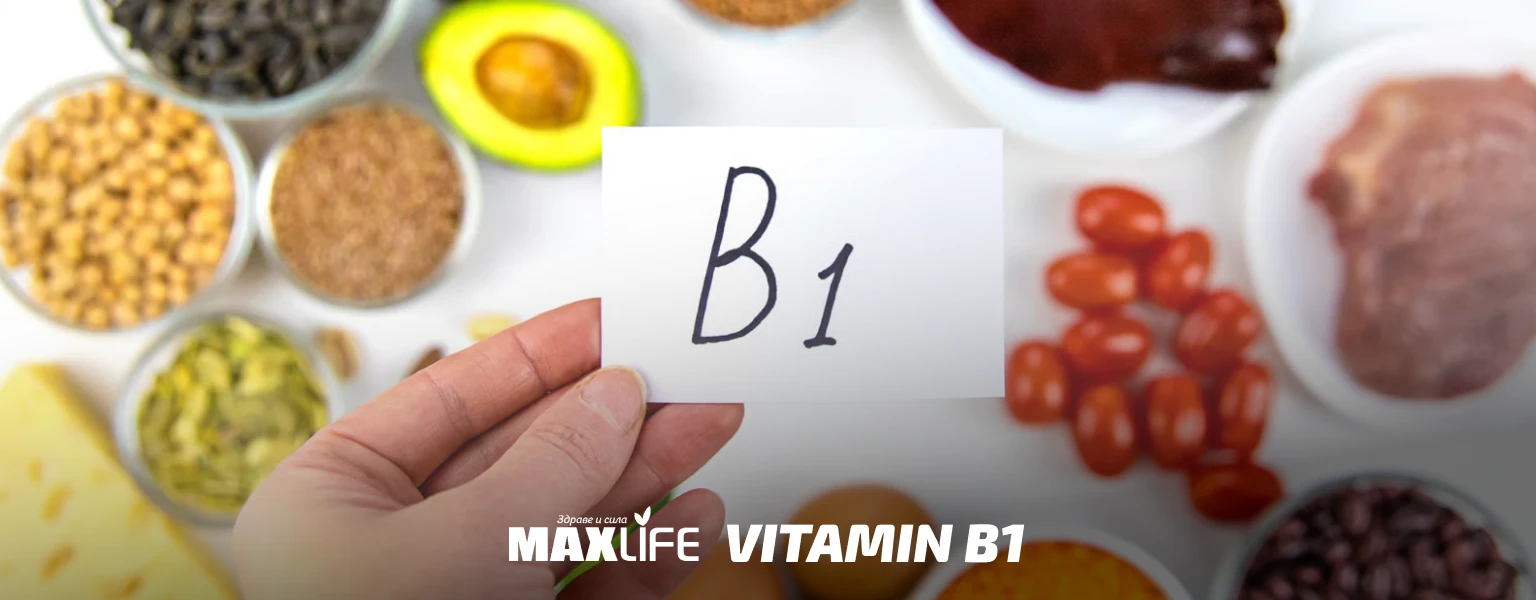
Vitamin B1, known by its scientific name thiamine, is a water-soluble vitamin that the human body cannot synthesize in sufficient quantities and must therefore be obtained daily through food. In nature, this vitamin is found abundantly in whole grains, nuts, legumes, pork and brewer's yeast.
The name “thiamine” comes from the combination of the Greek word theion (wool/sulfur), as it was the first B-vitamin discovered to contain sulfur in its molecule.
What are its specific benefits?
Converts food into cellular energy. Thiamine is a key coenzyme in carbohydrate metabolism, helping to break down glucose and convert it into ATP (the main fuel for cells).
Supports the health of the nervous system. Vitamin B1 is actively involved in the production of acetylcholine – an important neurotransmitter responsible for transmitting impulses between nerves and muscles.
Protects cardiovascular function by supporting the proper contractility of the heart muscle and maintaining optimal blood vessel tone.
Stimulates cognitive functions – improves concentration, memory and mental alertness by protecting brain cells from oxidative stress.
Aids digestion by participating in the production of hydrochloric acid in the stomach, which is essential for the complete digestion of food.
Vitamin B1 – what does it help with?
Vitamin B1 (thiamine) supports a number of health conditions by aiding the body's natural regenerative and metabolic processes. When is it recommended and what is its specific action?
For chronic fatigue, lack of energy and exhaustion
Since thiamine is a major player in the conversion of carbohydrates into cellular energy, its additional intake helps to cope with physical and mental exhaustion. B1 restores tone by optimizing the supply of cells with ATP and reduces the feeling of constant fatigue.
For stress, anxiety and nervous system problems
As a key element for nerve health, vitamin B1 assists in the production of neurotransmitters and maintains the integrity of the myelin sheath around nerve fibers. It is recommended for support in high levels of stress, irritability, peripheral neuropathies, and tingling sensations in the extremities.
To support heart function and circulation
Thiamine maintains proper heart muscle tone and supports optimal heart contractility. Additional intake contributes to normalization of circulation and processes important for cardiovascular health.
For cognitive decline, memory and concentration problems
The brain's supply of glucose is directly dependent on thiamine levels. Maintaining optimal vitamin B1 concentrations in the body improves memory and concentration, especially in people undergoing mental overload or in old age.
To improve digestion and appetite
Vitamin B1 is involved in the synthesis of hydrochloric acid in the stomach, which is essential for the proper breakdown of nutrients. Taking it as a supplement has a positive effect on delayed digestion, lack of appetite, or gastrointestinal discomfort.
MaxLife advises always to consult a medical professional before starting to take nutritional supplements, and not to initiate self-treatment if symptoms are present.
Deficit
Vitamin B1 deficiency can occur relatively quickly, as the body does not store large reserves and relies on regular intake through food.
The main causes of deficiency include: an unbalanced diet, excessive consumption of refined carbohydrates and sugar, as well as absorption disorders due to gastrointestinal diseases.
Those most prone to deficiency are people with chronic alcoholism, the elderly, pregnant and breastfeeding women, diabetics, as well as patients who have undergone bariatric surgery or are undergoing prolonged dialysis.
What are the symptoms of vitamin B1 deficiency?
- Feeling of constant exhaustion and lack of physical strength due to difficulty producing cellular energy.
- Mood swings and irritability – an early sign of deficiency related to disturbances in the balance of neurotransmitters in the brain.
- Loss of appetite and unexpected weight loss, often accompanied by nausea and digestive discomfort.
- Numbness and tingling in the extremities – peripheral neuropathy caused by damage to nerve fibers due to a lack of thiamine.
- Difficulty concentrating and memory impairment – a feeling of “brain fog”, slowed reactions and problems with short-term memory.
- Cardiovascular disorders – rapid heartbeat (tachycardia), shortness of breath with light physical exertion and swelling in the lower extremities.
Consequences
Untreated thiamine deficiency can lead to serious and sometimes irreversible damage to key systems in the human body. When the body does not receive sufficient amounts of this vital coenzyme, essential biological processes begin to function at reduced capacity, directly affecting cellular respiration and metabolism.
Prolonged vitamin B1 deficiency reduces the activity of:
- Enzymes in glucose metabolism: the conversion of carbohydrates into energy becomes difficult, leading to cellular exhaustion and lactic acid accumulation.
- Central and peripheral nervous system: the synthesis of acetylcholine is reduced, which damages the myelin sheaths of the nerves.
- Cardiovascular system: myocardial contractility deteriorates, which can cause enlargement of the heart cavities, congestive heart failure, and other problems.
- Digestive tract: the motor function of the stomach and intestines is suppressed, leading to slowed peristalsis, constipation, and reduced acidity.
Vitamin B1 – daily dose and intake tips
The recommended daily dose of vitamin B1 varies according to age, gender and physiological condition. For infants and children up to 8 years of age, the needs are between 0.2 and 0.6 mg per day, and for adolescents from 9 to 13 years of age – about 0.9 mg. For adult men, the standard daily dose is 1.2 mg, and for women – 1.1 mg.
Pregnant and lactating women have an increased need and should take about 1.4 mg daily. For people subjected to heavy physical labor, athletes or patients with certain diseases, therapeutic doses may be higher after consulting a doctor. What are the most appropriate ways to take vitamin B1?
During or immediately after a meal
Because it is actively involved in carbohydrate metabolism and the production of digestive enzymes, this vitamin is best absorbed when taken with food. This also reduces the risk of possible mild stomach discomfort.
Be careful with coffee, tea and alcohol
Caffeine and tannins in coffee and black tea can destroy vitamin B1 or significantly impair its absorption in the intestines. It is recommended to keep at least an hour between taking these drinks. Alcohol, on the other hand, directly blocks the intestinal transport of thiamine in the body.
Combine with magnesium and the other B-complex vitamins
B vitamins work in synergy. To achieve optimal metabolic balance and full absorption, it is recommended to take thiamine in combination with B2, B6 and magnesium, which is a key cofactor for its activation. Learn more about all B vitamins here.
Avoid excessive heat treatment
Vitamin B1 is sensitive to high temperatures and is easily destroyed by prolonged cooking or frying. If you rely on food sources, opt for gentler processing methods such as steaming.
Diet or supplements
A balanced diet is the first and most important step in ensuring you get the necessary amounts of thiamine. Excellent food sources of vitamin B1 include whole grains, seeds, nuts (especially sunflower seeds and pistachios), legumes such as lentils and beans, pork, liver, and brewer's yeast.
When the diet is not sufficient (due to increased stress, intense training, an unbalanced diet, or specific health conditions), nutritional supplements come to the rescue. They are a quick and reliable way to overcome the deficiency and restore optimal levels in the body.
Various supplements are available on the market, tailored to individual needs. Single thiamine supplements are suitable for established deficiency when targeted intake is needed for recovery.
Complete formulas with B-complex provide a full spectrum of B-vitamins that work synergistically for maximum effectiveness. Combination products with other vitamins and minerals (such as magnesium) offer multifunctional support for the nervous system, heart and cellular metabolism.
Vital energy and inner harmony
Vitamin B1 is an indispensable foundation for the proper functioning of the entire body. From cellular energy for our daily activities to protecting the nervous and cardiovascular systems, optimal levels of thiamine ensure that the body works in complete harmony.
Maintaining optimal thiamine levels through a balanced diet and quality supplements is a direct investment in good mental health, memory, concentration, and sustained tone.