0878 567 491
 BG
BG 


 Proteins
 Amino acids
 Healthy supplements
 Vitamins and minerals
 Creatine
 Weight loss
 Nitrogen boosters
 Testosterone and growth hormone
 Bars and food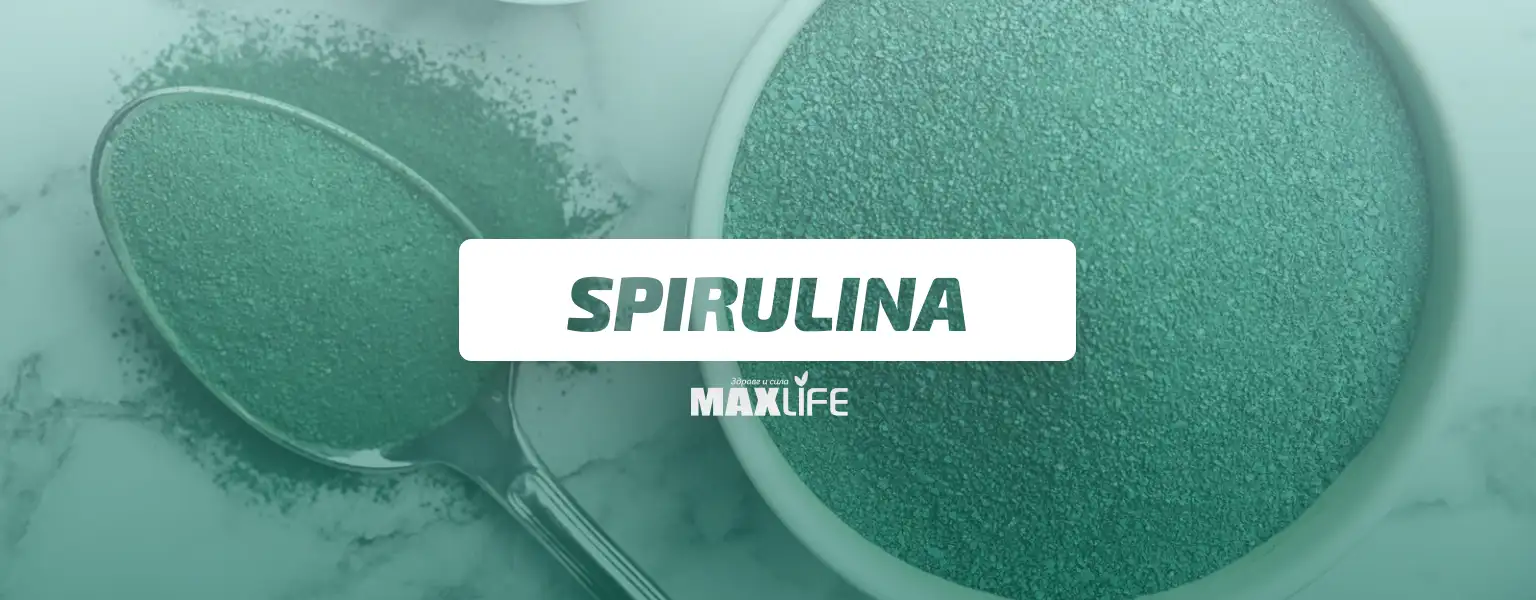
Are you looking for a natural way to boost your immunity and improve your mood throughout the day? In this article, we will take a detailed look at what spirulina is and why this superfood has become one of the most popular dietary supplements in the world.
- Spirulina is a spiral-shaped, microscopic blue-green algae (cyanobacteria) that grows naturally in warm, alkaline lakes. It is considered one of the oldest organisms on Earth, used as a primary food source by the ancient Aztecs due to its unique nutritional value.
- This superfood contains between 60% and 70% of complete plant protein with all essential amino acids. It also contains B vitamins (B1, B2, B3), beta-carotene (provitamin A), iron, magnesium, potassium and valuable fatty acids such as gamma-linolenic acid (GLA).
- The most valuable and unique component in spirulina is phycocyanin, the pigment protein that gives it its specific blue-green color. It is a powerful antioxidant with pronounced anti-inflammatory properties that neutralizes free radicals and protects cells from oxidative stress.
- In modern production, spirulina is cultivated in controlled, environmentally friendly water pools and photobioreactors to avoid heavy metal contamination. After extraction, the biomass is filtered, rinsed with clean water, and quickly dried at low temperature to preserve its nutritional properties, before being turned into powder or tablets.
- Regular intake improves lipid profiles and can support the immune system, increase energy levels, support body detoxification, and help maintain a healthy weight.
What are all the proven benefits of spirulina
Spirulina has been the subject of numerous scientific studies, and its potential continues to be a major topic of interest in the modern medical community. Although many of its properties are still being studied, there is already convincing evidence, supported by clinical trials, for some of its effects.
Improving lipid profile
Several meta-analyses have shown that regular consumption of spirulina can significantly reduce total cholesterol, “bad” cholesterol (LDL), and triglycerides in the blood. At the same time, studies have also reported a slight increase in “good” cholesterol (HDL), which supports cardiovascular health.
Blood pressure regulation
Higher doses of spirulina (typically over 2 grams per day) have been clinically shown to stimulate the body's production of nitric oxide. This leads to blood vessel relaxation and may help lower both systolic and diastolic blood pressure.
Relieving the symptoms of allergic rhinitis
Spirulina has shown high efficacy in people suffering from allergies. Studies confirm that taking it can significantly reduce inflammation of the nasal mucosa, relieving symptoms such as nasal congestion, sneezing, itching, and runny nose compared to a placebo.
Antioxidant and anti-inflammatory protection
Thanks to its high phycocyanin content, spirulina neutralizes free radicals and reduces markers of oxidative stress in the body. It has been shown to suppress the production of certain inflammatory cytokines (such as IL-6), which protects cells from damage.
Anemia support
In older people with a history of anemia, it has been found that adding spirulina to the diet can increase the hemoglobin content in red blood cells and improve overall blood counts.
And which benefits are still being studied?
Scientists continue to actively investigate a number of potential applications of spirulina, with promising initial results being observed.
One of the main areas of interest is related to blood sugar control. Early research suggests that these seaweeds may help with insulin sensitivity, but the effect on glycated hemoglobin (HbA1c) levels still requires larger-scale confirmation.
Another area of research is athletic endurance. Observations suggest that spirulina intake may reduce oxidative stress after exercise and delay the onset of fatigue, but evidence of direct benefits in healthy athletes is still limited.
Lastly, research is investigating its potential in fatty liver disease (steatosis). Spirulina supplementation has shown positive effects on liver enzymes, but further clinical trials are needed to determine its exact effectiveness.
Spirulina for vegetarians and vegans
Spirulina is extremely suitable for people who follow a plant-based diet, as it provides a valuable profile of nutrients that are often in scarce quantities in the absence of meat and animal products.
It contains between 55% and 70% of complete protein by dry weight, which provides all essential amino acids and is a bioavailable source of iron, magnesium, potassium and beta-carotene.
However, it is important to note a common misconception: although it contains vitamin B12 analogues (pseudo-B12), they are not biologically active for the human body and cannot replace traditional B12. All its other trace elements and antioxidants make it an excellent plant-based support against deficiencies.
Possible side effects of spirulina
Although spirulina is considered safe for most people, it can cause mild and temporary adverse reactions in some individuals. In most cases, these adaptive symptoms are due to the high content of protein, minerals and bioactive compounds or to poor quality of the raw material.
- Gastrointestinal discomfort (nausea, cramps, bloating or diarrhea): The body often needs time to get used to the high protein and fiber content. Start with a minimum dose (for example, 1 gram per day) and increase it gradually over 1-2 weeks until you reach the recommended amount.
- Headache or mild fatigue: these symptoms sometimes occur in the first few days of taking due to the initial load on the metabolism. Increase your daily water intake to facilitate hydration and the body's natural processes.
- Insomnia or mild anxiety when taken in the evening. Due to its high content of B-vitamins and iron, spirulina supplements may have a mild stimulant effect. Take in the morning or early afternoon at the latest with food.
- Risk of contamination (heavy metals or microcystins). Algae grown in uncontrolled ponds can absorb toxins from the environment. Buy only certified products from established brands with proven laboratory control for purity.
- Allergic reactions (rash or itching). Although rare, some people are sensitive to some of the components in spirulina. If you notice skin symptoms, discontinue use immediately and consult a healthcare professional.,
How to take spirulina and how long to drink it
Spirulina is mainly available in three convenient forms: powder, tablets and capsules. Powdered spirulina is ideal for adding to smoothies, juices, yoghurt or simply mixed into water, although its specific marine taste and aroma may not appeal to everyone. Tablets and capsules are the preferred choice for many people as they are easy to swallow, have no odour and provide precise dosing without the need for measuring.
The timing and method of intake depend on individual goals. It is recommended to take spirulina during or immediately before meals to reduce the risk of mild stomach discomfort. Taking it in the morning or early afternoon is best, as the rich content of trace elements and proteins supports tone and energy levels throughout the day.
If the goal is to support weight control, it is better to drink it with a large glass of water about 30 minutes before a meal, while for general support or after exercise it can be combined with a main course.
Regarding duration, the standard safe course studied in clinical trials is usually between 2 and 3 months (about 8 to 12 weeks). After completing such a period, it is recommended to take a break of 2 to 4 weeks.
The rule of periodic breaks is recommended to avoid excessive accumulation of minerals (such as iron) and to maintain the body's sensitivity to the active ingredients of spirulina.
Spirulina – contraindications
Spirulina is considered safe for most healthy people, but it could pose a serious health risk in certain conditions and diseases. Who should avoid taking it?
- People with autoimmune diseases. Taking spirulina stimulates the immune system and may worsen symptoms in conditions such as multiple sclerosis, lupus, rheumatoid arthritis, or Hashimoto's.
- People with phenylketonuria (PKU) – spirulina contains the amino acid phenylalanine, which people with this rare genetic disease cannot metabolize.
- It is not recommended to take spirulina with blood-thinning medications (anticoagulants). Due to its vitamin K content and mild anticoagulant effect, spirulina may interact with medications such as warfarin.
- It is also not recommended for pregnant and breastfeeding women, due to the lack of sufficiently convincing safety studies and the risk of contamination with heavy metals or microcystins.
Green power for health
Spirulina is undoubtedly one of the most beneficial superfoods that can help boost your tone, immunity, and lipid profile.
To get the most out of its properties, always choose certified products with guaranteed origin and laboratory control for purity.
Follow the recommended dosages, take periodic breaks, and consult a medical professional to ensure that this supplement is completely appropriate for your individual health condition.