

 0878 567 491
 BG
BG 


 Proteins
 Amino acids
 Healthy supplements
 Vitamins and minerals
 Creatine
 Weight loss
 Nitrogen boosters
 Testosterone and growth hormone
 Bars and food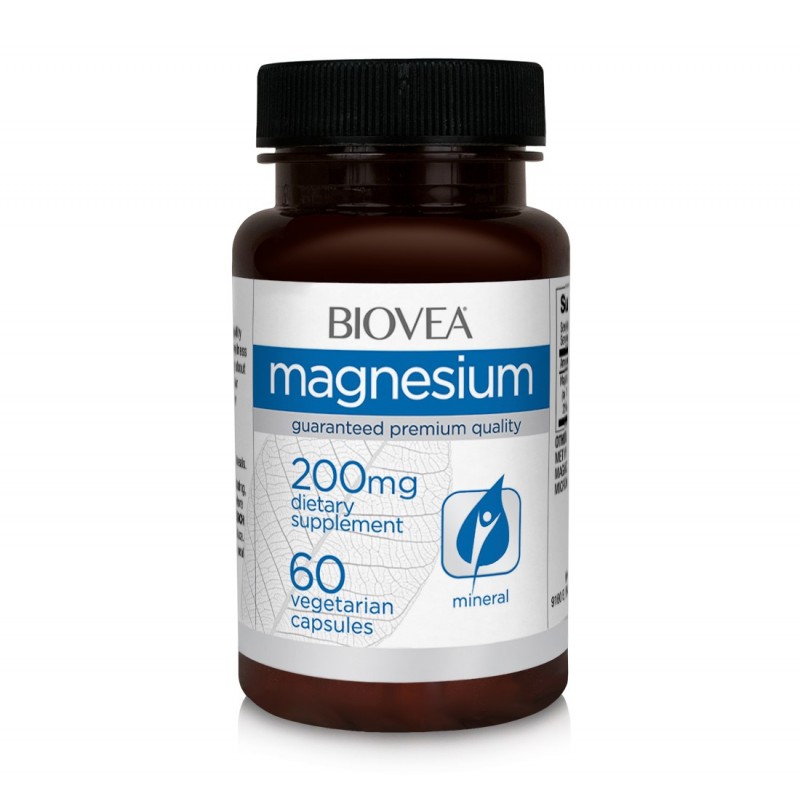
In stock
Biovea Magnesium 200mg – Magnesium, Pack of 60 caps
- Model: 60 caps
- Brand: Biovea
- Баркод: 811079031327
14,82 €
- Helps convert carbohydrates, proteins and fats into energy
- Balances and regulates the metabolism of calcium, potassium and sodium
- Necessary for normal muscle function
- May support healthy lung function
- Necessary for healthy growth of bones and teeth
- Participates in the transmission of nerve impulses and muscle contractions
- Inhibits the formation of kidney stones
- May maintain healthy cholesterol levels
- Description
- Product content
What is magnesium and what does it do? Magnesium is essential for hundreds of chemical reactions in the body. It functions as a coenzyme (participating in over 300 enzyme reactions!) for proper nerve and muscle function, bone formation, and energy metabolism. Recent studies have shown that it is particularly important for proper heart function. The body stores 60% from its magnesium in the bones, 26% is in muscle tissue, and the remaining magnesium is stored in the soft tissues of the body. Magnesium helps maintain normal muscle and nerve function, keeps the heart rhythm stable, supports a healthy immune system, and keeps bones strong. Magnesium also helps regulate blood sugar levels, promotes normal blood pressure, and is known to be involved in energy metabolism and protein synthesis. There is increasing interest in the role of magnesium in preventing and managing disorders such as hypertension, cardiovascular disease, and diabetes. Dietary magnesium is absorbed in the small intestine. Magnesium is excreted through the kidneys. Who may need additional magnesium? Magnesium supplements may be taken when a specific health problem or condition causes excessive magnesium loss or limits magnesium absorption. Some medications can lead to magnesium deficiency, including some diuretics and antibiotics. People with poorly controlled diabetes may benefit from magnesium supplements because of the increased urinary magnesium loss associated with hyperglycemia. People with chronic malabsorption problems such as Crohn's disease, gluten-sensitive enteropathy, regional enteritis, and intestinal surgery may lose magnesium through diarrhea and fat malabsorption. People with these conditions may need supplemental magnesium. People with chronically low blood levels of potassium and calcium may have an underlying problem with magnesium deficiency. Magnesium supplements can help correct potassium and calcium deficiencies. Older adults are at increased risk for magnesium deficiency. The 1999-2000 and 1998-94 National Health and Nutrition Examination Surveys found that older adults have lower dietary magnesium intakes than younger adults. In addition, magnesium absorption is decreased and renal excretion of magnesium is increased in older adults. Older adults are also more likely to take medications that interact with magnesium. This combination of factors puts older adults at risk for magnesium deficiency. It is very important for older adults to consume the recommended amounts of magnesium. What are the symptoms of a deficiency? Early signs of magnesium deficiency include loss of appetite, nausea, vomiting, fatigue, and weakness. As magnesium deficiency worsens, numbness, tingling, muscle contractions and spasms, personality changes, abnormal heart rhythms, and coronary spasms may occur. Severe magnesium deficiency can lead to low blood calcium levels (hypocalcemia). Magnesium deficiency is also associated with low blood potassium levels (hypokalemia). Many of these symptoms are common and can be the result of a variety of medical conditions other than magnesium deficiency. It is important for a doctor to evaluate health complaints and problems so that appropriate care can be provided. Directions for use: Take 1 capsule 1-3 times daily with meals.


