0878 567 491
 BG
BG 


 Proteins
 Amino acids
 Healthy supplements
 Vitamins and minerals
 Creatine
 Weight loss
 Nitrogen boosters
 Testosterone and growth hormone
 Bars and food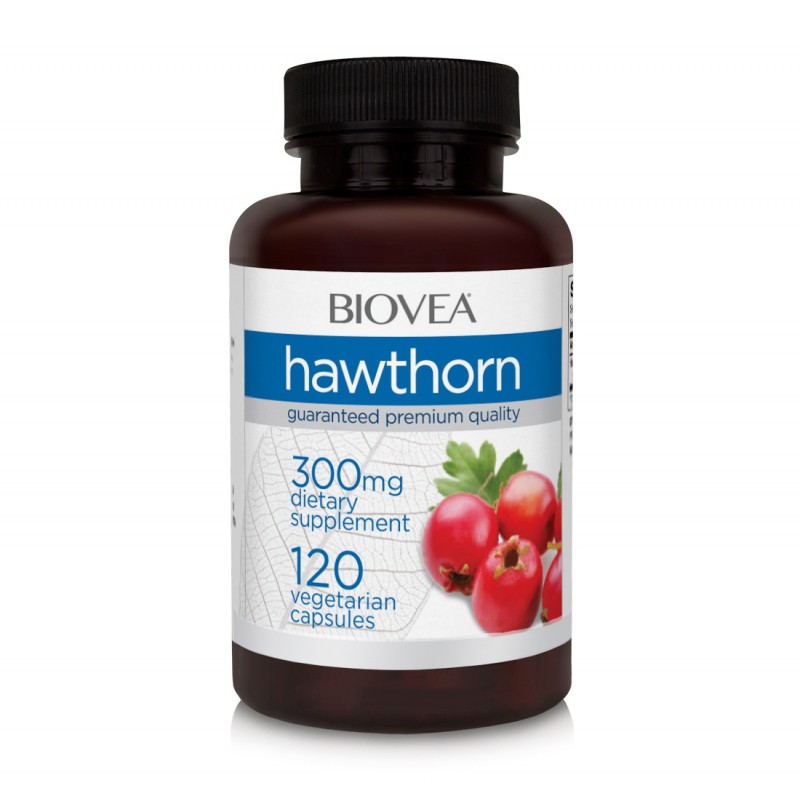
In stock
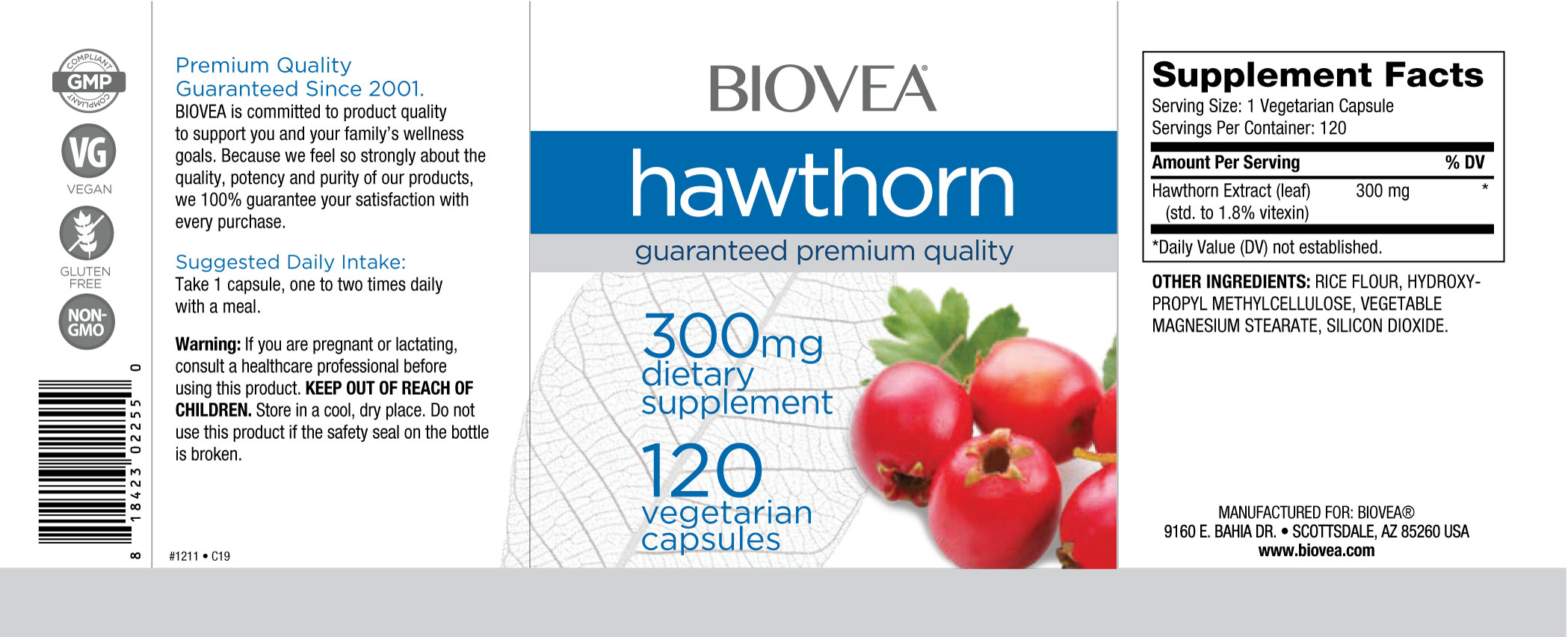
Biovea Hawthorn 300mg – Hawthorn, Pack of 120 caps
- Model: 120 caps
- Brand: Biovea
- Баркод: 818423022550
19,42 €
- Helps balance blood pressure
- Supports heart and circulatory system health, including heart rate, blood flow, and atherosclerotic plaque control
- Used to help prevent angina attacks
- May be useful in treating Raynaud's disease and varicose veins
- In another study involving 136 patients, the hawthorn group showed improvement in assessed areas of heart function, while the placebo group did not.
- May be helpful in promoting restful sleep
- Hawthorn may help preserve collagen
- Description
- Product content
What is hawthorn?
Hawthorn (Crataegus oxyacantha) grows as shrubs or small trees that were often planted as fences or hedges in northern Europe. Now found in mild climates in North Africa, western Asia, Europe and North America, hawthorn is adaptable to a wide range of growing conditions. A member of the rose family, hawthorn has fragrant white or pink flowers that are sometimes called May flowers. Its flowers are followed by cherry-like fruits that can be eaten fresh or dried, used in cooking, made into jams or made into wine. Hawthorn wood, known for its durability, is often used to make tool handles. For medicinal use, hawthorn leaves and flowers are collected and dried.
Historically, hawthorn was used by Roman physicians as a heart medicine in the first century AD. Literature from this period focuses on the symbolic use of hawthorn for religious rites and political ceremonies. In the Middle Ages, hawthorn was used to treat "dropsy," or congestive heart failure. Today, extracts from the hawthorn plant are widely used in Europe to treat various circulatory disorders, including high blood pressure.
Hawthorn is readily accepted as a medicine in Europe: in Germany, hawthorn is approved for the treatment of heart failure by the German Commission E, the German government agency that evaluates the safety and effectiveness of herbal products.
The flowers, leaves, and fruits of hawthorn are used in herbal supplements. Each is high in flavonoids, which give the plant powerful antioxidant properties. Hawthorn contains three groups of compounds that are key to the plant’s positive effects on the cardiovascular system. These groups of compounds are triterpenoid saponins, amines, and flavonoids. By inhibiting the formation of free radicals, the antioxidant activity of hawthorn may be beneficial in maintaining healthy heart vessels and promoting overall heart health.
Why should you take hawthorn?
• Blood pressure: Hawthorn helps lower high blood pressure by dilating the coronary arteries. Hawthorn is a rich source of health-promoting chemical compounds, including procyanidins and the flavonoids rutin, vitexin, quercetin, hyperoside, and vitexin, which have been shown to dilate the blood vessels of the heart, thereby improving blood flow (these cardiovascular effects are the result of taking the herb over a long period of time). These chemicals also act directly on the heart muscle to increase the force of the heartbeat and on the blood vessels to relax the arteries around the heart. This can also increase the amount of time the heart rests between beats. As a result, hawthorn is recommended for people suffering from high blood pressure.
• Congestive heart failure: Clinical studies have also confirmed that hawthorn is beneficial for people with stage II congestive heart failure. Researchers in Germany recently gave hawthorn extract to patients suffering from congestive heart failure and found that the patients had fewer overall symptoms and showed improvements in endurance and a reduction in blood pressure and heart rate during exercise.
• Arthritis: Hawthorn is also good for arthritis as it helps stabilize collagen, a protein found in joints, and thus protects joints from damage caused by inflammatory diseases. The bioflavonoids present in hawthorn also have powerful antioxidant properties.
• Cardiac function: Hawthorn also increases energy production in the heart by utilizing the oxygen produced by the presence of flavonoids.
• Cholesterol reduction: Hawthorn contains procyanidins, which have been shown to reduce cholesterol levels and the size of cholesterol-containing plaques in the arteries. The blood pressure-lowering effects dilate larger blood vessels and also inhibit angiotensin-converting enzymes. This process is mildly diuretic in nature and increases the functional capacity of the heart. The effects are usually noticeable after only two weeks of treatment. There are no known side effects and hawthorn is extremely well tolerated by the body.
Method of use: Take 1 capsule, one to two times daily with food.