0878 567 491
 BG
BG 


 Proteins
 Amino acids
 Healthy supplements
 Vitamins and minerals
 Creatine
 Weight loss
 Nitrogen boosters
 Testosterone and growth hormone
 Bars and food
With the arrival of summer heat and heavy sweating, more and more people are starting to think about their electrolyte intake. The truth is, they are vital in any season – especially for those of us who lead active lifestyles.
Electrolytes are minerals that carry an electrical charge (positive or negative) and are critically important for conducting nerve impulses, contracting muscles, maintaining hydration, and balancing pH levels in the body.
What are the main electrolytes and their functions?
- Sodium – the main extracellular electrolyte that regulates blood volume and blood pressure. Key for fluid balance and proper nerve and muscle function.
- Potassium – the main intracellular electrolyte that works in perfect balance with sodium. It controls the water content in cells, maintains a normal heart rhythm, and prevents muscle cramps.
- Magnesium is involved in over 300 enzymatic reactions in the body. It is necessary for muscle relaxation, energy production, bone strength, and proper nervous system function.
- Calcium – in addition to building bones and teeth, calcium is vital for muscle contraction (including heart muscle), blood clotting, and nerve signal transmission.
- Chloride (or sodium chloride) – works closely with sodium to maintain proper fluid balance and pressure in the body. It is also a major component of gastric juice (or hydrochloric acid), which is necessary for digestion.
And here are a few lesser-known electrolytes and their tasks in the body.
- Phosphate – works closely with calcium to build strong bones and teeth. It plays a key role in energy metabolism, as it is involved in the structure of molecules that provide energy to cells.
- Bicarbonate – an extremely important electrolyte that acts as a buffer in the blood. Its main role is to maintain the acid-base balance (pH) in the body by neutralizing excess acids released during metabolism or intense exercise.
- Sulfate – a negatively charged ion (anion) that participates in detoxification processes in the liver and helps build connective tissue, cartilage, and proteins in the body. It maintains the stability of cell membranes.
Types of electrolytes and their characteristics
All electrolytes in the human body are divided into two main groups depending on the electrical charge they carry, and the balance between them is critical for cellular survival.
Cations – positively charged ions
Cations include minerals such as sodium, potassium, calcium, and magnesium. Their primary role in the body is to generate and transmit electrical impulses along nerve and muscle cells. They control the contraction of the heart, regulate the volume of fluids inside and outside cells, and trigger enzymatic processes necessary for the production of cellular energy.
Anions – negatively charged ions
Anions include chloride, bicarbonate, phosphate, and sulfate. These negatively charged particles act as a natural buffer that maintains the acid-base balance (pH) of our blood and tissues. They also partner with cations to regulate osmotic pressure and are directly involved in digestion and the construction of cellular structures.
Lack of electrolytes – what are the symptoms?
The human body loses electrolytes daily through the natural processes of detoxification and thermoregulation, but there are specific situations in which these losses become alarmingly rapid.
The most common cause is intense sweating during the summer heat or during heavy physical exercise, when huge amounts of sodium and chloride are excreted with sweat. The risk also increases dramatically in cases of acute dehydration caused by gastrointestinal disorders, high fever, or excessive use of diuretics. Even rapid weight loss and switching to strict diets (such as the ketogenic diet) can cause the body to abruptly expel retained water along with the valuable minerals in it.
When water and electrolyte intake does not compensate for these losses, the balance is disrupted and the body begins to send clear alarm signals.
Here are the main symptoms of electrolyte deficiency and what exactly causes them.
Muscle cramps, spasms, and weakness
This is one of the first and most noticeable signs. It is mainly caused by a lack of potassium, magnesium and calcium. These three minerals control the contraction and relaxation of muscle fibers. When they are missing, muscle cells become too easily excitable, which leads to involuntary, painful contractions (cramps) or a feeling of heaviness and muscle weakness.
Headache and dizziness
This symptom is mainly due to a drop in sodium levels (a condition known as hyponatremia). Sodium regulates osmotic pressure and the balance of fluids around cells. When its levels drop, water enters the cells and causes mild swelling – including in brain cells, which leads to a dull headache, loss of concentration, and dizziness when standing up suddenly.
Chronic fatigue and exhaustion
The lack of magnesium and phosphate is a direct culprit in the collapse of vitality. These electrolytes are the basis for the synthesis of ATP (adenosine triphosphate) - the main energy "fuel" of cells. Without them, the body cannot effectively convert food into energy, which is felt as severe physical and mental exhaustion.
Palpitations and arrhythmia
The feeling that your heart is skipping, beating too fast or irregularly is caused by a serious imbalance of potassium and calcium. The heart is a muscle whose rhythm is controlled by subtle electrical impulses. Since potassium and calcium are responsible for generating these electrical signals in the heart muscle, their deficiency disrupts the heart rhythm.
Nausea and lack of appetite
Such discomfort is often due to low levels of sodium and chloride. These electrolytes regulate nervous system function in the digestive tract and stomach acid levels. When the balance is disrupted, gastrointestinal motility (bowel movement) slows down, which provokes nausea and vomiting, which in turn worsens the deficiency.
Irritability, anxiety and insomnia
The nervous system is highly sensitive to magnesium and calcium levels. Magnesium acts as a natural nerve relaxant, blocking stress hormones and calming brain activity. When it is lacking, the nerve pathways remain in a state of constant overexcitation, leading to unnecessary anxiety and sleep problems.
How to respond to a deficit
At the first signs of deficiency, immediate action must be taken to avoid complications.
1. Hydrate properly – drink a glass of water with an electrolyte powder or tablet. If you don’t have any on hand, dissolve a pinch of salt and a little lemon juice in a glass of water.
2. Stop physical work or exercise, move to the shade, and drink fluids in slow, small sips.
3. Eat something appropriate – eat a banana, a handful of salted nuts, or dates to quickly get your potassium and sodium.
If dizziness or palpitations persist, seek medical attention.
How to get electrolytes naturally?
A complete menu is an excellent way to maintain stable electrolyte levels in the body every day.
Diverse and mineral-rich foods help the body easily maintain its internal balance and support the proper functioning of the muscles and nervous system.
Coconut water is a great example of natural hydration, as it contains enviable levels of potassium and magnesium, which quickly refresh the body.
Leafy greens like spinach and kale are rich in calcium and magnesium, while avocados, citrus fruits, and bananas provide valuable potassium for muscle tone. For sodium and chloride, moderate use of good-quality sea or Himalayan salt in your meals is ideal.
Raw nuts and seeds, such as almonds and pumpkin seeds, supply the body with magnesium and phosphorus, while dairy products and fish are classic sources of easily absorbed calcium.
Electrolytes for drinking – the affordable choice
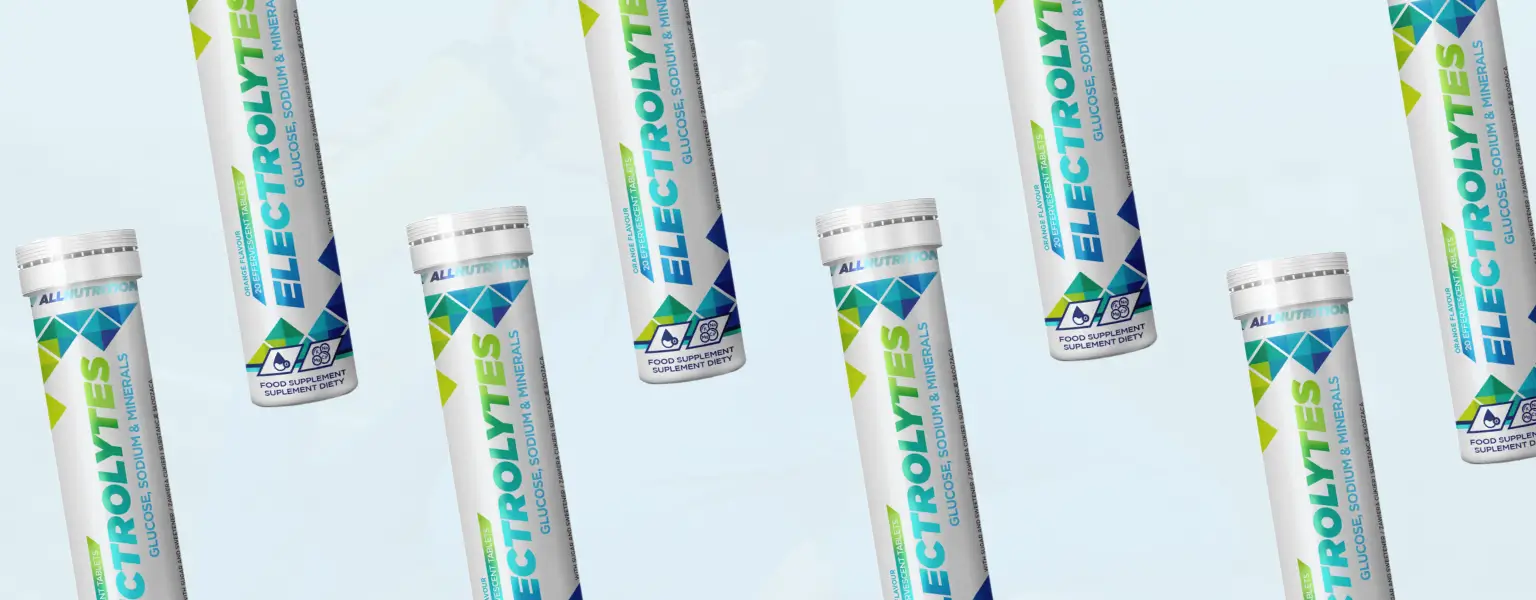
When intense daily life, hot weather or hard training exhaust the body, plain water is often not enough to restore the lost balance. In these moments, specialized electrolyte drinks are the fastest, most practical and budget-friendly solution.
Their main advantage is high bioavailability - liquid or dissolved in water, they are absorbed by the body instantly, passing directly into the cells without burdening the digestive system.
The main benefits of drinking electrolytes include quickly managing dehydration, eliminating muscle cramps, and quickly restoring vitality and focus. They are extremely convenient to carry and take in the form of powders, effervescent tablets, or ready-to-drinks, making them an affordable choice for everyone.
Thanks to the precisely dosed ratio of minerals, they protect against fatigue and maintain endurance, no matter whether you are in the office or in the gym.
A few tips for optimal reception
Electrolyte drinks and supplements are extremely beneficial, but only if taken correctly and according to the body's real needs. When used intelligently, they quickly restore strength without the risk of unnecessary strain.
- When to take electrolytes? It is best to take them before endurance training or immediately after it for quick recovery, as well as in the morning on an empty stomach to start the day.
- Can they be drunk every day? Yes, if you are highly active, work in the heat, or sweat profusely, but with a sedentary lifestyle, a balanced diet is completely sufficient.
- Can I drink electrolyte drinks instead of juice? No – excessive intake without a real need can lead to excess minerals and imbalance.
- What should I do if I overdo it with an electrolyte supplement or drink? If you experience nausea, a throbbing headache, or muscle weakness from excessive intake, stop taking the supplement immediately. Help your kidneys flush out excess minerals with 500 ml – 1 liter of clean water, which you should drink in small sips throughout the day.
Strong and weak electrolytes?
The division of electrolytes into „strong“ and „weak“ has nothing to do with their health effects, but rather with their behavior when dissolved in water. The key difference lies in the degree of their dissociation – the process by which a substance breaks down into charged ions.
Strong electrolytes (like table salt) completely disintegrate and turn into ions in the liquid at 100%. This makes them excellent conductors of electricity that the body absorbs and uses instantly.
Weak electrolytes (such as the organic acids in citrus fruits) dissociate only partially: most of them remain as whole molecules and only a small percentage become ions. Therefore, they conduct electricity much less well, but they still play an important role in maintaining the delicate chemical balance in cells.
Charge the body with the right energy
Whether you're battling the summer heat, pursuing athletic goals, or simply want to keep your mind and body in tip-top shape, electrolytes are your most important ally.
Listen to your body's signals, combine a healthy diet with smart supplementation, and don't let dehydration stop you. Maintain balance to enjoy tone, strength, and health in every season!