0878 567 491
 BG
BG 


 Proteins
 Amino acids
 Healthy supplements
 Vitamins and minerals
 Creatine
 Weight loss
 Nitrogen boosters
 Testosterone and growth hormone
 Bars and food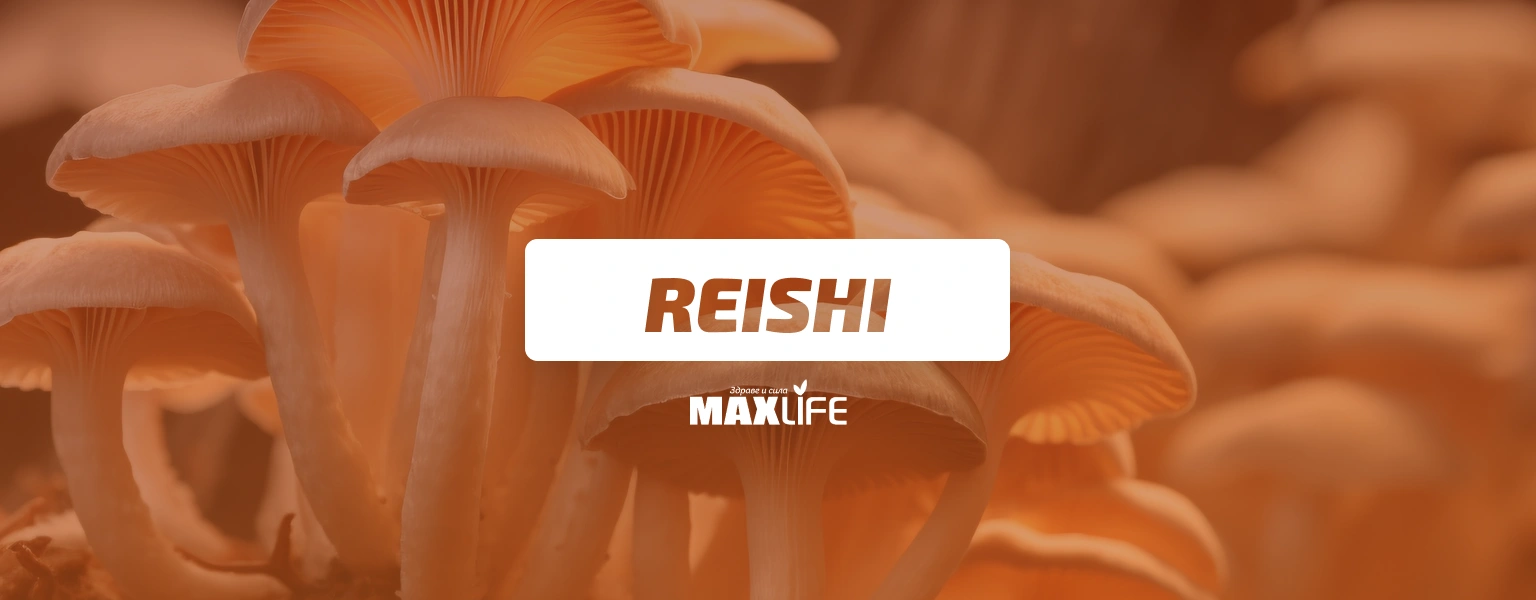
The reishi mushroom, also known by its Latin name Ganoderma lucidum, is a woody species that grows primarily on deciduous trees in the warm and humid regions of Asia.
For centuries, reishi has held a central place in the traditional medicine of China, Japan, and Korea, where it is often called the “mushroom of immortality” for its ability to strengthen life energy and promote longevity. Ancient healers used it to improve overall health, believing that its extracts restored balance throughout the body.
The therapeutic scope of the reishi mushroom is extremely broad and its action has a strong positive effect on a number of specific pathological conditions:
- Chronic fatigue and general weakness: Reishi extracts help restore vitality and are particularly effective in fatigue syndrome.
- High blood pressure and hypertension: the active ingredients in this mushroom have a vasodilating effect and help to permanently normalize blood pressure.
- Liver diseases and hepatitis: Reishi promotes the regeneration of cells in the liver and is used as an aid in chronic inflammation of this organ.
- Insomnia and anxiety disorders: regular intake calms the central nervous system and treats sleep cycle disorders caused by stress.
- Allergic rhinitis and asthma: anti-inflammatory properties relieve symptoms of respiratory allergies and improve lung capacity.
- High cholesterol and atherosclerosis: the substances in reishi mushrooms actively purify the blood from fatty deposits and protect blood vessels from clogging.
Active ingredients and their action
The therapeutic potential of this natural wonder is due to its complex biochemical composition, which includes over 400 biologically active compounds. Each of them has a specific mechanism of interaction with human cells, which determines their complex impact on health.
Polysaccharides and beta-glucans
These complex carbohydrates are primarily responsible for the immunomodulatory effect. They activate macrophages and natural killer cells in the blood, thus strengthening the protective barrier against pathogens.
Thanks to these molecules, the main benefits of reishi mushrooms include: increased body resistance and faster recovery after illness.
Triterpenoids (ganoderic acids)
The triterpenes specific to this type of mushroom give it the characteristic bitter taste and have powerful anti-inflammatory properties.
These substances act directly on histamine receptors, which helps relieve allergy symptoms and improves liver function.
Ganoderic acids also support the cardiovascular system by preventing platelets from sticking together.
Organic Germanium and Antioxidants
Germanium is a rare chemical element found in unusually high concentrations in reishi. Its action improves the blood's ability to carry oxygen to tissues, which increases energy levels and cellular metabolism.
The combination of germanium with the powerful antioxidants in the mushroom's fruiting body provides protection against oxidative stress and slows down the aging process throughout the body.
Who should not take reishi mushrooms – contraindications
Despite its numerous benefits, reishi mushroom is not suitable for everyone and may cause adverse reactions in certain health conditions.
Before starting treatment, it is imperative to consider the specific interactions of the active ingredients with the body and any concomitant medication therapies.
- People with blood clotting disorders: This mushroom has pronounced anticoagulant properties that can interfere with normal blood clotting. This increases the risk of spontaneous bleeding in people suffering from hemophilia or a tendency to bleed easily.
- Patients undergoing surgery: Due to the same effect on blood viscosity, the use of reishi extracts should be discontinued at least two weeks before a planned intervention. This prevents dangerous postoperative complications and uncontrolled blood loss during the procedure itself.
- People with very low blood pressure (hypotension): The active triterpenes act as vasodilators and further lower blood pressure. In individuals who are already within the range of hypotension, intake can lead to dizziness, fainting, and dangerously low blood pressure.
- Pregnant and breastfeeding women: There are not enough clinical studies to guarantee the safety of the fetus or newborn in the presence of such concentrated bioactive substances. During this delicate period, complete abstinence from atypical supplements is recommended to avoid unpredictable hormonal or metabolic changes.
- Individuals with autoimmune diseases: Because reishi is a powerful immunostimulant, its intake can increase the immune system's aggression towards the body's own tissues. In conditions such as lupus, multiple sclerosis, or rheumatoid arthritis, such T-cell activation often leads to worsening symptoms.
Side effects of reishi mushrooms
Despite its high safety profile, excessive or prolonged use of reishi may cause discomfort, which is usually due to the high concentration of bioactive compounds.
The most common complaints include dryness of the mouth, throat, and nasal passages, which is a direct result of the detoxifying and slightly drying effect of triterpenes on the mucous membranes.
In some cases, digestive discomfort, expressed in nausea or mild upset, is observed, especially when the extract is taken on an empty stomach or in doses exceeding those recommended for the specific body weight.
Occasionally, dizziness or headache is reported, which is usually associated with the sharp improvement in blood circulation and the subtle decrease in blood pressure.
Skin rashes or itching are also possible, and they most often signal individual intolerance or a mild allergic reaction to specific proteins in the fruiting body. Prolonged intake without interruption (over three to six months) carries a risk of burdening liver function in sensitive individuals, so the rule is to take periodic breaks.
All of these manifestations usually subside quickly after cessation of consumption, but emphasize the importance of carefully and gradually introducing this type of mushroom into daily life.
Taking reishi mushroom – basic tips
The correct form of reishi mushroom intake is key, as the processing method directly affects the concentration of active polysaccharides and triterpenes.
The different options offer varying degrees of absorption by the body, allowing therapy to be precisely tailored to individual needs and health goals.
1. Concentrated extract capsules – this form provides the highest bioavailability, as only the most valuable compounds are extracted from the fruiting body through a specific technology. The advantage here is the precise dosing and easy inclusion in everyday life, which guarantees constant intake of therapeutic doses without the characteristic bitter taste.
2. Tea or decoction of dried mushroom – the traditional brewing method allows for the extraction of water-soluble beta-glucans, which support the immune system. Preparing a hot drink offers a milder effect and is an excellent choice for people who prefer the ritual of natural consumption and want to avoid synthetic tablet coatings.
3. Liquid tincture – alcohol base is the only sure way to fully extract the ganoderic acids (triterpenes), which are not soluble in water. The advantage of tinctures is their rapid entry into the bloodstream through the mucous membrane of the mouth, making them ideal for controlling acute allergic reactions or inflammation.
4. Whole mushroom powder – this option preserves the full spectrum of dietary fiber and minerals that are present in the cell wall of the mushroom. The main dividend of the powdered form is the support for the digestive system and detoxification, as the fiber acts as a natural “broom” for the intestines.
Frequently Asked Questions
Understanding the practical aspects of using this natural remedy is essential for achieving maximum therapeutic results without risk to health. The correct approach to intake and storage ensures that the active ingredients will retain their biological potency and have a beneficial effect on the body.
How do you drink reishi mushroom?
The method of consumption depends on the form of the product – capsules are taken with water, while dried mushroom requires prolonged boiling (about 60 minutes) to extract the beneficial polysaccharides. Tinctures are dropped directly under the tongue or in a small amount of liquid for faster absorption.
How long should you drink reishi?
To achieve visible and sustainable results, a course of 3 months is recommended, followed by a short break of 2 to 4 weeks. The first signs of improved tone and immunity are usually noticeable after the first month of regular use.
Can children take reishi mushrooms?
Use in children under 3 years of age is not recommended due to the lack of definitive clinical data on the impact on the developing immune system. For older children, consultation with a pediatrician is mandatory to determine the appropriate minimum dose.
Is it safe to combine with coffee or tea?
The combination is completely safe and is even gradually becoming a global trend, as the mushroom alleviates the nervous tension that caffeine often causes without interfering with its invigorating effect. Many people add reishi powder directly to their morning drink for a more balanced start to the day.
Can reishi mushrooms replace blood pressure medications?
Under no circumstances should prescribed medication be discontinued in favor of supplements. Reishi mushroom acts as an adjuvant that can enhance the effects of medications, so any change should be under medical supervision.
Can reishi mushrooms be taken during fasting or dieting?
Reishi extracts are extremely suitable during fasting or dieting, as they contain no calories and support the liver in the detoxification process. They help the body preserve its energy when food intake is limited.
Does it matter whether it is taken before or after meals?
The highest digestibility is achieved in the morning on an empty stomach with a glass of warm water, which activates the metabolism. However, for people with sensitive stomachs, it is better to consume it about 30 minutes after eating to avoid possible reactions.
How are dried mushrooms or reishi powder stored?
Products should be stored in airtight containers, away from direct sunlight and moisture. The hygroscopic nature of the powder requires a dry location to prevent lump formation and oxidation of the triterpenes.
Is it possible to develop an addiction or dependence on reishi?
This type of mushroom is classified as an adaptogen, which means that its presence in the body supports natural functions without the risk of addiction. The body does not develop dependence and there is no negative “rebound” effect after stopping the intake.

A bridge to longevity and inner peace
The path to optimal health often lies in rediscovering ancient natural treasures that modern science is only now beginning to fully understand. The reishi mushroom is a powerful natural ally that helps the body adapt to the challenges of the modern world and stress. Investing in prevention through such adaptogens brings long-term benefits, expressed in stronger immunity, a calmer mind and sustainable vitality.