0878 567 491
 BG
BG 


 Proteins
 Amino acids
 Healthy supplements
 Vitamins and minerals
 Creatine
 Weight loss
 Nitrogen boosters
 Testosterone and growth hormone
 Bars and food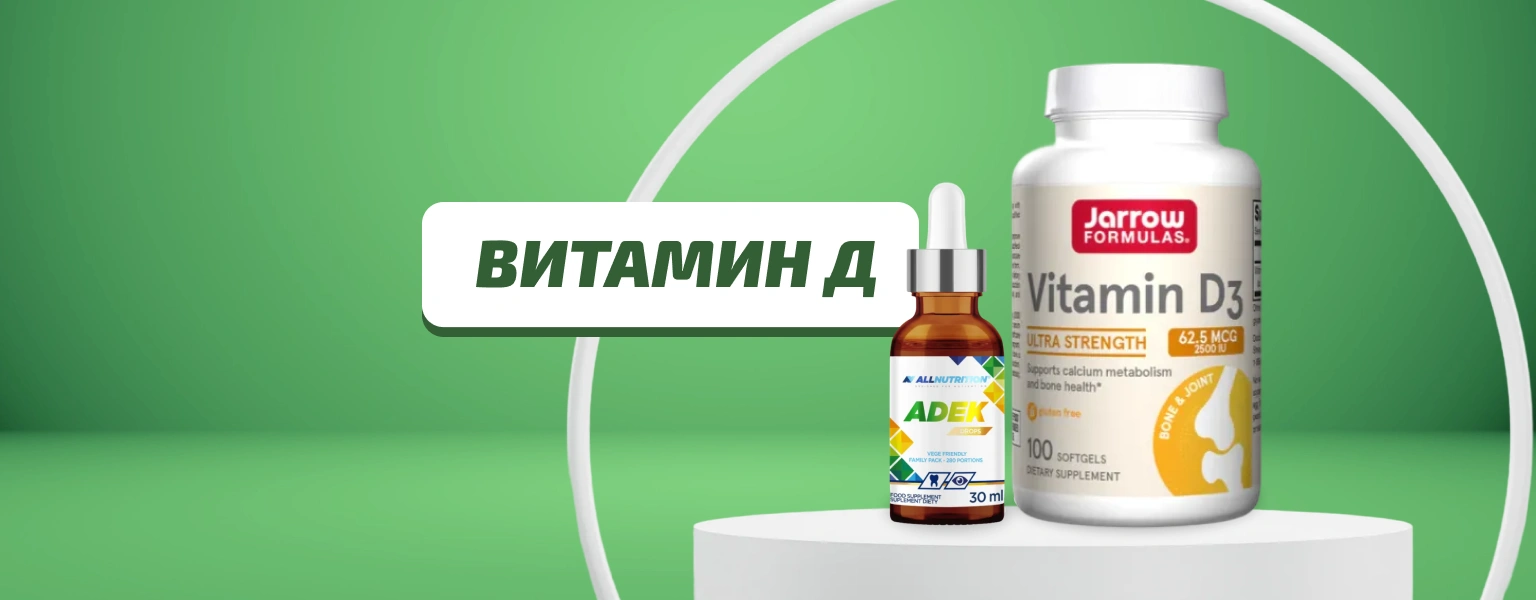
Vitamin D is a unique nutrient that functions in the human body more like a hormone than a simple vitamin. This nutrient is vital for the absorption of calcium and phosphorus, thus ensuring the strength of the skeleton and teeth. In addition to bone metabolism, vitamin D is a key player in regulating the immune system, maintaining muscle tone and controlling cell growth.
Despite its immense importance, vitamin D deficiency is becoming a global pandemic. According to global statistics, about 1 billion people suffer from deficiency, with the incidence of low levels in Europe affecting between 30% and 50% of the population.
The data for Bulgaria is even more worrying: a national survey from 2012 shows that nearly 761% of Bulgarians have a deficiency or severe deficiency of the “sunshine vitamin.” In this context, the topic of regular monitoring and targeted intake is more relevant than ever.
Vitamin D deficiency – causes
Understanding the factors that lead to critically low levels of this vital vitamin is the first step towards effective prevention and restoration of health. The causes of deficiency are multifaceted and often a combination of factors. Below are listed in ascending order of frequency of their occurrence.
- Impaired absorption in the digestive tract – some health conditions, such as Crohn's disease or celiac disease, interfere with the small intestine's ability to absorb vitamin D from food or supplements.
- As we age, the epidermis' ability to synthesize the nutrient upon sun exposure progressively declines, making older people more susceptible to deficiency.
- Because vitamin D is fat-soluble, the body often “stores” it in fatty tissues and does not effectively release it into the bloodstream, where it is needed for vital functions.
- The higher concentration of melanin acts as a natural filter, significantly reducing the efficiency of vitamin synthesis under ultraviolet radiation.
- Unbalanced diet: natural sources of vitamin D in food are few. A diet low in fatty fish, egg yolks, and fortified foods can hardly meet the body's needs.
- Due to the tilt of the Earth's axis, in countries north of the 37th parallel (including Bulgaria), the intensity of sunlight during the autumn-winter period is extremely insufficient for the natural production of vitamin D.
- Closed lifestyle (most common cause): modern everyday life, spent mostly in offices and closed spaces, is the main factor that deprives the majority of the population of direct contact with the sun.
Symptoms of vitamin D deficiency – what should we watch out for?
Recognizing the signals that the body sends when there is a deficiency of this vital hormone is critical for taking timely measures. It is important to clarify that symptoms of deficiency rarely appear immediately – they are often discrete and develop gradually over months or even years. This delay is due to the body’s ability to use the reserves accumulated in fatty tissues and the liver, but once they are depleted, the deficiency begins to affect multiple systems simultaneously.
Frequent and unexplained fatigue is one of the first signs, which is usually ignored or attributed to stress and lack of sleep. Since vitamin D is involved in the energy metabolism of cells, low levels lead to a feeling of constant exhaustion and lack of tone even after full rest.
Susceptibility to infections and slow wound healing also indicate a serious deficiency, as the immune system loses its effectiveness without adequate amounts of the nutrient. Frequent bouts of flu or colds in the winter may be a direct result of a drop in the levels of protective cells, whose activity depends directly on the sunshine vitamin.
Chronic bone and back pain, as well as muscle weakness, signal an advanced stage of deficiency, in which the calcium balance is disturbed. Bone tissue loses its density, which can lead to a feeling of heaviness and discomfort during ordinary physical exertion, and in the long term increases the risk of fractures.
Do you collect tans for vitamin D?
Exposure to direct sunlight to obtain a tan is the most commonly used strategy for naturally increasing levels of the sunshine vitamin.
However, it is important to clarify that pale skin is not automatically evidence of deficiency. Light epidermis contains a minimal amount of melanin, which allows ultraviolet rays to penetrate faster and activate the synthesis of the nutrient even during a short stay outdoors.
Conversely, a bronze tan also does not guarantee optimal levels in the body. The dark pigment accumulated during sunbathing acts as a protective barrier that progressively blocks UVB rays and stops further production to prevent its overdose.
How to properly collect tan for vitamin D?
- Expose larger areas of the body, such as arms and legs, without sunscreen for about 15–20 minutes.
- Choose the hours before noon or late afternoon to avoid the most aggressive skin burning.
- Adjust your time in the sun to your individual phototype, as fair skin needs much less time to react.
What does a lack of vitamin D lead to?
A prolonged deficiency of this critical nutrient can cause serious disruptions in the functioning of almost every system in the human body. When levels remain below the critical minimum for a long period of time, the body loses its ability to maintain physiological balance, opening the door to the development of chronic and sometimes irreversible conditions.
Deterioration of bone density and structure
One of the most pronounced consequences is the progressive deterioration of bone health, manifested in osteomalacia in adults and rickets in children. Since vitamin D is the main factor in the absorption of calcium, its deficiency leads to “softening” of the bones, deformities and a sharply increased risk of painful fractures even with light loads.
Cardiovascular complications
Deficiency of this element is also directly related to the functioning of the cardiovascular system, with consistently low levels being associated with increased blood pressure and vascular damage. Scientific data suggests that deficiency can contribute to hardening of the arteries and increased inflammatory processes in the vascular wall, which significantly increases the risk of heart attack and stroke.
Cognitive and mood disorders
Impaired psycho-emotional state and cognitive decline are also among the serious risks associated with a lack of the sunshine vitamin. Receptors for this hormone-like element have been found in areas of the brain responsible for planning, information processing and mood formation, which is why a deficiency is often associated with depressive states and an increased risk of dementia in the elderly.
Compromised immune response
The immune system also suffers serious damage, as without sufficient vitamin D, white blood cells cannot recognize and destroy pathogens effectively. This leads not only to frequent viral infections, but also to an increased risk of developing autoimmune diseases, in which the body begins to attack its own tissues due to impaired regulation of the immune response.
Vitamin D supplements – how to help each other
When it is impossible to maintain optimal levels through the sun, vitamin D supplements become a reliable means of regulating the deficiency. The mechanism of action of these products is based on the precise dosing of the active form of the nutrient, which after ingestion is metabolized in the liver and kidneys to an active hormone, ready to support the physiological needs of the body.
Single-ingredient formulas or multivitamins
Single-component formulas are designed for targeted correction of serious deficiencies, as they offer a high concentration of the vitamin without unnecessary burden with other elements. In contrast, multivitamin complexes contain vitamin D in lower, maintenance doses, making them suitable for general prophylaxis rather than for therapy of proven deficiency.
Forms of administration and their specifics
Vitamin D supplements are available in the form of drops, tablets and capsules, each with its own advantages. Drops are preferred because of their easy absorption and the possibility of fine-tuning the dosage. Capsules often contain an oil base, which facilitates the absorption of the nutrient by the body. Tablets are a convenient and affordable option for daily intake with good stomach tolerability.
Synergistic combinations
The effectiveness of vitamin D is significantly increased when properly combined with other elements. The combination with vitamin K2 is key, as this vitamin directs calcium directly to the bones and prevents calcification of blood vessels. Taking it with calcium strengthens the skeletal structure, and the joint use with vitamin C provides support for immune defense and resistance to oxidative stress.
Useful tips
- Always take vitamin D with the largest meal of the day that contains fat to ensure maximum absorption.
- Avoid taking the supplement late at night, as in some cases it can affect melatonin levels and disrupt sleep quality.
The path to optimal health and vitality
Maintaining optimal vitamin D levels is a long-term investment in overall well-being that requires a conscious approach and regular monitoring.
The balance between moderate sun exposure, complete nutrition, and informed intake of quality supplements is the key to a strong immune system and healthy bone structure.
Don't ignore your body's signals and take care of your "sunshine vitamin" levels all year round.