0878 567 491
 BG
BG 


 Proteins
 Amino acids
 Healthy supplements
 Vitamins and minerals
 Creatine
 Weight loss
 Nitrogen boosters
 Testosterone and growth hormone
 Bars and food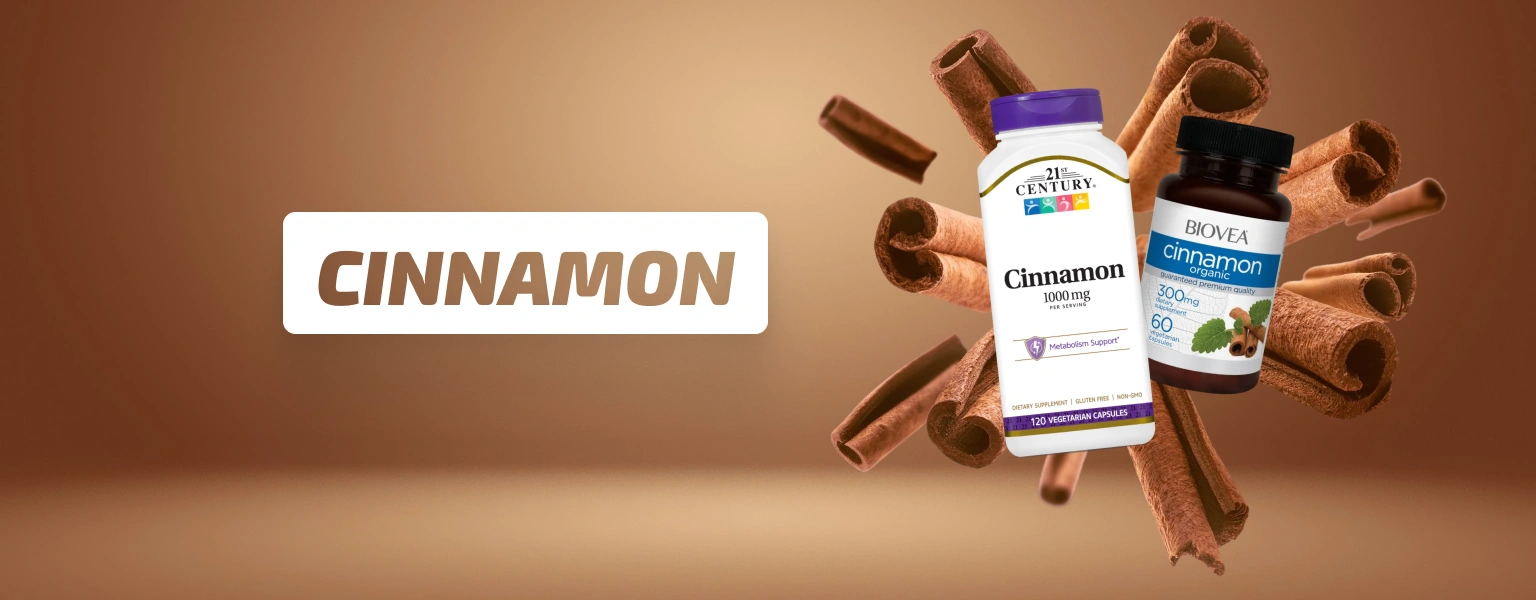
Known to most people as an aromatic spice in the kitchen, cinnamon is actually one of the most ancient natural wonders with proven benefits for human health.
This precious gift is extracted from the inner bark of trees of the genus Cinnamomum, which when dried, rolls into characteristic sticks. Although today we often associate it only with desserts, cinnamon is a powerful bioactive ally, the composition of which makes it a proven medicinal tool for supporting the body and vitality.
The healing properties of cinnamon and its composition
The unique beneficial and therapeutic properties of cinnamon are due to the specific concentration of essential oils and protective compounds in its bark. It is important to note that the action occurs at the cellular level, thanks to its rich chemical profile. At the heart of this process are several key components that work in synergy to improve the overall well-being of the body.
- Cinnamaldehyde – the main active compound responsible for the spice’s characteristic aroma and flavor. It has powerful antibacterial and antifungal properties, helping the immune system fight off various pathogens and infections.
- Polyphenols: Cinnamon is among the leaders in the world of superfoods in terms of the content of these antioxidants. They protect tissues from oxidative stress and neutralize free radicals, which is key to slowing the aging process and preventing chronic diseases.
- Coumarin – in moderate amounts, this component helps thin the blood and improve circulation. Different varieties of cinnamon have different levels of concentration.
- Although in small amounts, when consumed directly, cinnamon is a source of manganese, calcium, and iron. Manganese is critical for bone health and blood sugar regulation, while calcium supports heart function.
- Epicatechin and catechin – flavonoids that support cognitive health and protect brain cells from degenerative processes, while improving the elasticity of blood vessels.
- Methyl-hydroxy-chalcone polymer (MHCP) – a compound that mimics the action of insulin and is the basis of cinnamon's ability to balance blood glucose levels.
Does cinnamon lower blood sugar?
One of the biggest benefits of cinnamon is its ability to help the body better deal with high blood sugar. The spice acts as a “key” that helps insulin more easily open the “doors” of cells. When these doors are open, sugar (glucose) can enter to produce energy, instead of sitting in the blood and causing problems.
In addition to improving insulin function, cinnamon prevents sugar from entering the body too quickly after a meal by slowing the breakdown of carbohydrates in the stomach. This results in a smooth and steady release of energy instead of the sudden spike in blood sugar that often makes us feel exhausted.
As we have already said, specific compounds called methyl-hydroxy-chalcone polymers (MHCP) are responsible for these processes, which literally mimic the work of insulin. When there is a sufficient amount of these polymers in the body, cells begin to recognize sugar faster and process it efficiently. It is this dual action – supporting natural insulin and imitating it – that makes cinnamon such a valuable assistant for anyone who wants to maintain healthy glucose levels without sudden fluctuations. Want to learn more methods for controlling blood sugar? Read more here.
Cinnamon for high blood pressure
Scientific research shows that cinnamon can have a positive impact on blood pressure levels, although the effect is most noticeable with systemic use.
The main mechanism is related to the ability of the active ingredients to relax blood vessels (vasodilation), which facilitates blood flow and reduces resistance in the arteries. In addition, by improving metabolism and insulin control, factors that often lead to hypertension are limited.
Despite these benefits, using cinnamon to lower blood pressure requires caution. The main risk is the possibility of lowering blood pressure too sharply, especially when combined with prescribed hypertension medications, which can lead to hypotension (too low blood pressure). Also, excessive intake of unrefined cassia cinnamon can be taxing on the liver due to its high coumarin content.
Antioxidant and natural anti-inflammatory
Protection against free radicals
The high antioxidant activity of cinnamon is due to its rich content of polyphenols, phenolic acids and flavonoids. The main components in this spectrum are proanthocyanidins and rutin, which directly neutralize free radicals and prevent damage to fats in cell membranes. These ingredients block the chain reactions of oxidative stress, which are the basis of cellular degeneration.
What does it help with? The antioxidant properties of cinnamon are useful in combating the signs of premature aging, improving skin condition, supporting the body when living in a polluted urban environment, and generally strengthening the immune barrier.
Cinnamon as an anti-inflammatory
The anti-inflammatory effect is mainly achieved through the compounds cinnamic aldehyde and cinnamic acid. They have the ability to inhibit the activity of specific enzymes and proteins (such as NF-kappaB) that trigger inflammatory processes in the body. This reduces the production of nitric oxide and other mediators that cause swelling, redness and pain in the tissues.
What does it help with? The anti-inflammatory properties of cinnamon are effective for joint pain and stiffness, muscle soreness after intense exercise, chronic digestive problems, and in preventing cardiovascular complaints related to inflammation of the vessels.
Antibacterial and antifungal action
Cinnamon's ability to inhibit the growth of harmful microorganisms is primarily due to its high concentration of the well-known cinnamaldehyde. This active compound works by disrupting the integrity of bacterial cell membranes and preventing their reproduction.
Scientific research shows that cinnamon bark extracts are effective against a wide range of pathogens, including bacteria that cause food poisoning and respiratory infections, and have a strong effect in limiting the growth of fungi of the genus Candida.
Thanks to these properties, cinnamon and its essential oils are widely used in a number of hygienic and therapeutic products. In the cosmetic industry, it is often included in the composition of toothpastes and mouthwashes, as it successfully fights bacteria that cause dental plaque, cavities and bad breath.
In the food industry, it is used as a natural preservative due to its ability to inhibit the development of mold and mildew. Cinnamon extracts are also found in specialized dermatological preparations for the treatment of skin fungal infections, as well as in natural surface disinfectants, where a safe alternative to aggressive chemicals is sought.
Cinnamon – reception
Introducing this valuable ingredient into your daily life can be done in various ways, but each of them has its own specifics. Traditional consumption through food is often insufficient to achieve a therapeutic effect, and not everyone is a fan of the characteristic aroma and taste.
There are risks to consuming large amounts of powdered cinnamon directly. One of the main concerns is the coumarin content, which can be toxic to the liver in high doses. Cinnamon can also interact with blood thinners or diabetes medications, which requires caution.
Cinnamon supplements are the optimal solution for those looking for the benefits without the taste limitations and risks of incorrect dosing. Key benefits:
- Precise dosage of an accurately measured amount of extract, which guarantees constant intake of active substances.
- In cinnamon supplements Standardized extracts are used, which provide a much higher concentration of beneficial compounds than you would get from a regular spice.
- Quality supplements go through a purification process in which coumarin levels are reduced to a safe minimum.
- Taking it in capsule or tablet form is quick and convenient and eliminates the strong taste and aroma.
- Formulas are often designed so that the body absorbs the active ingredients more efficiently compared to a raw powder.
Strategy for a healthy body
Cinnamon is not just a flavorful addition to holiday desserts, but a powerful natural tool for maintaining health. Integrating its bioactive compounds into your daily regimen can bring significant benefits to your metabolism, cardiovascular system, and immune system.
However, it is important to approach it with awareness and attention to the quality of the source. When used wisely and in a balanced manner, this ancient spice remains one of the most accessible ways to improve vitality naturally.